
Easter Herb-Roasted Lemon Chicken
Bright Citrus Roast for Easter
INTRODUCTION
We’re a small circle who love cozy dinners and the steady rhythm of everyday cooking, finding comfort in a roast that feels like a warm handshake. The Easter Herb-Roasted Lemon Chicken sings of bright citrus, herb-scented steam, and slow-roasted tenderness, and this recipe is built to work in real kitchens, not perfect ones. This Easter Herb-Roasted Lemon Chicken grew from simple tests and quick adjustments so it shines on busy nights and special tables. When family arrives, the aroma of roasted lemon and rosemary announces the meal, and this Easter Herb-Roasted Lemon Chicken brings people together with ease and comfort.
Fast Recipe Snapshot
- Prep Time: 20 minutes | Cook Time: 1 hour 15–90 minutes | Total Time: 1 hour 35–110 minutes
- Servings: Serves 4–6 | Difficulty: Easy to Intermediate
- Cuisine: Classic roast with Mediterranean accents | Best Season: Spring and early summer
What Makes This Chicken Special
- Bright citrus lift: The lemon zest and slices add a lively, slightly caramelized citrus note that balances rich roasted flavors. It keeps the roasting aromas fresh so every bite feels sunny and bright.
- Herb-forward depth: The trio of rosemary, thyme, and parsley creates a layered herbal profile that is both aromatic and grounding. These herbs roast into the skin and pan juices, perfuming the meat and vegetables.
- Homey and approachable: This recipe is designed to work in real kitchens with straightforward techniques and reliable timing. It is comforting enough for weeknights and charming enough for a holiday table.
- One-pan ease: Roasting the chicken atop vegetables keeps cleanup minimal and lets the veggies soak up savory pan juices. The result is a complete, rustic meal straight from the oven that looks and tastes thoughtful without fuss.
Simple Roast Ingredients
- Whole Chicken (3-4 lbs): The star of the show! Choose a good quality, fresh whole chicken for the best flavor and roasting results. A 3-4 pound chicken is ideal for a family meal and roasts evenly.
- Lemons (3): Lemons are crucial for both flavor and moisture. Two lemons are used for juicing and zesting to create a vibrant marinade and cavity stuffing, while one lemon is sliced for roasting alongside the chicken, adding a caramelized citrus note.
- Fresh Herbs (Rosemary, Thyme, Parsley): A blend of fresh herbs is what gives this chicken its signature Easter and spring-like flavor. Rosemary offers a piney, robust note, thyme adds earthy and slightly minty nuances, and parsley provides a fresh, clean finish.
- Garlic Cloves (4-5): Garlic is essential for depth of flavor. Roasted garlic becomes sweet and mellow, complementing the lemon and herbs beautifully.
- Olive Oil: Olive oil is used to coat the chicken and vegetables, promoting browning and crisping during roasting, as well as adding healthy fats and richness.
- Butter (Unsalted): A touch of butter, especially when placed under the skin, contributes to incredibly moist and flavorful chicken. It also enhances the browning and crispiness of the skin.
- Salt and Black Pepper: Essential seasonings to enhance all the other flavors. Use kosher salt for even seasoning and freshly ground black pepper for the best aroma.
- Onion (1 large): Onion adds a savory base note to the roasting pan drippings and becomes sweet and tender as it roasts alongside the chicken.
- Carrots (2-3 medium): Carrots add sweetness and color to the roasting pan and become tender and slightly caramelized during cooking.
- Potatoes (1 lb, small or medium): Potatoes are a classic side dish that roast beautifully alongside the chicken, soaking up the flavorful pan drippings. Choose small or medium potatoes so they cook through at the same rate as the chicken.
Smart Ingredient Notes
- Whole Chicken: Look for even skin color and no strong odor; fresh chickens should feel firm and cold. If preferred, use free-range or organic for flavor differences and label transparency.
- Lemons: Choose firm, heavy lemons with a glossy skin for best juice content; if lemons are very dry, add a splash of vinegar or extra stock to the marinade.
- Fresh Herbs: Use fresh herbs when possible; dried herbs are fine but use roughly one-third the amount and expect slightly different flavor intensity.
- Potatoes and Carrots: Match vegetable sizes for even roasting and peel vegetables if you prefer a smoother texture; leaving skins on adds rustic color and nutrients.
Step-by-Step Roasting Guide
- Prepare the Chicken: Begin by preheating your oven to 400°F (200°C). Remove the chicken from its packaging and pat it dry thoroughly with paper towels. This step is crucial for achieving crispy skin. Truss the chicken if desired; this helps it cook more evenly and maintain a compact shape, though it’s not strictly necessary.
- Make the Herb-Lemon Marinade: In a small bowl, combine the zest and juice of two lemons. Add 2 tablespoons of olive oil, minced garlic cloves, 1 tablespoon of chopped fresh rosemary, 1 tablespoon of chopped fresh thyme, and 1 teaspoon of salt, and ½ teaspoon of black pepper. Mix well to combine all the ingredients into a fragrant marinade.
- Marinate the Chicken (Inside and Out): Generously season the cavity of the chicken with salt and pepper. Stuff the cavity with the squeezed lemon halves, a few sprigs of fresh rosemary and thyme, and a couple of garlic cloves. Rub the herb-lemon marinade all over the outside of the chicken, ensuring every part is coated. For extra flavor and moisture, gently loosen the skin of the chicken breast and thighs with your fingers and rub some of the marinade directly under the skin. Place a few pats of unsalted butter under the skin as well, distributing them evenly across the breast and thighs.
- Prepare the Vegetables: While the chicken marinates (or immediately if you’re short on time), prepare your vegetables. Peel and chop the onion into wedges. Peel and chop the carrots into 2-inch pieces. Wash and halve or quarter the potatoes, depending on their size. Toss the vegetables in a large bowl with 1 tablespoon of olive oil, salt, and pepper. You can also add a few extra sprigs of rosemary and thyme to the vegetables for enhanced flavor.
- Arrange Chicken and Vegetables in Roasting Pan: Place the seasoned vegetables in a large roasting pan. Arrange them in a single layer if possible, or spread them out evenly. Place the marinated chicken on top of the vegetables in the center of the roasting pan. Slice the remaining lemon into thick rounds and scatter them around the chicken and vegetables in the pan.
- Roast the Chicken: Roast the chicken in the preheated oven for approximately 1 hour and 15 minutes to 1 hour and 30 minutes, or until a meat thermometer inserted into the thickest part of the thigh (without touching the bone) registers 165°F (74°C). The exact roasting time will depend on the size of your chicken and your oven.
- Baste and Rotate: About halfway through the roasting time, around 45 minutes in, baste the chicken with the pan juices. This helps to keep the chicken moist and adds flavor. Rotate the roasting pan 180 degrees at this point to ensure even browning. If the chicken skin is browning too quickly, you can loosely tent it with foil for the remainder of the cooking time.
- Rest the Chicken: Once the chicken is cooked through, remove it from the oven and transfer it to a cutting board. Tent it loosely with foil and let it rest for at least 10-15 minutes before carving. This resting period is crucial as it allows the juices to redistribute throughout the chicken, resulting in a more tender and flavorful bird. While the chicken rests, the vegetables will continue to cook slightly in the residual heat of the pan and the oven.
- Carve and Serve: After resting, carve the chicken and arrange it on a platter surrounded by the roasted vegetables and lemon slices. Drizzle the pan juices over the chicken and vegetables for extra flavor. Garnish with fresh parsley, if desired, and serve hot.
Technique notes: Use an instant-read thermometer for accuracy, loosen the skin carefully to avoid tearing, and give the chicken a full rest to lock in juices.
Pro-Level Roasting Notes
- Timing precision: Ovens vary, so rely on internal temperature rather than clock time for perfect doneness and moist meat. Check the thigh at multiple angles and avoid touching bone for accurate readings.
- Browning balance: If skin browns too fast, tent with foil; if vegetables need extra color, move them to the top rack for the last 10 minutes. Adjust rack positions early to control heat exposure.
- Flavor layering: Rubbing herb marinade under the skin infuses the meat, while stuffing the cavity with lemon and herbs perfumes from within; both techniques amplify flavor without extra effort.
- Resting importance: Resting for 10–15 minutes lets juices settle and keeps slices moist; carve against the grain for tender pieces and save pan juices for an immediate drizzle.
Creative Variations to Try
- Vegan twist: Roast a whole cauliflower head or a large seitan roast with the same lemon-herb marinade and surround it with root vegetables for a hearty plant-forward centerpiece. The lemon and herbs caramelize the outer florets, creating a satisfying crunch.
- Milder profile: Reduce garlic to 2 cloves and use just lemon zest without juice in the marinade for a softer citrus whisper that children and sensitive palates love. Serve with creamy mashed potatoes to complement the gentle flavor.
- Spicy upgrade: Add a teaspoon of smoked paprika and a pinch of cayenne to the marinade, and toss the vegetables with a drizzle of chili oil before roasting for smoky heat and color. The peppers awaken the citrus and herbs in an exciting way.
- Regional twist: Give the chicken Mediterranean flair by adding olives and chopped tomatoes around the pan and finishing with a sprinkle of feta or toasted pine nuts just before serving.
Perfect Side Pairings
- Sides: Serve with a crisp green salad dressed in lemon vinaigrette, buttered green beans, or a simple garlic and herb rice to soak up pan juices. Add crusty bread to mop up the sauce for a rustic finish.
- Drink: A bright white wine or a sparkling lemonade complements the lemon notes; for nonalcoholic pairings, chilled herbal iced tea or sparkling water with a lemon wheel keeps the palate refreshed.
- Dessert: Finish with a light lemon sorbet, honey-sweetened yogurt with toasted nuts, or a rustic apple tart to round out the meal without overpowering the roast.
Make-Ahead and Prep Plans
- Prep: Marinate the chicken up to 8 hours ahead and refrigerate covered to let flavors deepen. Vegetables can be chopped and tossed with oil and seasonings earlier the same day to speed assembly.
- Store: If prepping fully cooked parts, keep carved chicken and vegetables in airtight containers for up to 3 days in the refrigerator. Reheat gently to preserve moisture.
- Freeze: Fully cooked chicken is freezer-friendly; slice and freeze in meal-sized portions with a little pan juice to prevent drying, up to 3 months. Thaw overnight before reheating slowly.
- Reheat: Reheat in a 350°F oven covered with foil to maintain moisture, or warm slices in a skillet with a splash of stock to revive texture.
Serving and Presentation Ideas
- Plating: Carve the bird and arrange slices over the roasted vegetables on a warmed platter with lemon rounds artfully scattered. A final sprinkle of chopped parsley brightens the colors.
- Cozy vibes: Set the table with simple linens, candles, and a bowl of extra lemon wedges to invite guests to customize brightness. Encourage family-style serving for an easy, communal feel.
- Garnish: Finish with a light drizzle of olive oil and freshly cracked pepper; a few crisp herb sprigs add an elegant, fragrant touch.
Kitchen Secrets for Success
- Patting dry: Dry skin equals crisp skin. The more thoroughly you pat the chicken dry, the better the browning.
- Butter under skin: Tucking butter beneath the skin creates moist, richly flavored meat and helps develop an irresistible crust.
- Layer flavors: Season cavity, rub under skin, and toss herbs with vegetables so every component carries the dish’s signature taste.
- Resting trick: Tent loosely with foil and let the bird rest in a warm but turned-off oven if you need more than 15 minutes; this keeps it warm without overcooking.
Storage, Reheating and Texture
- Refrigerator: Store carved chicken and vegetables separately in airtight containers to preserve texture; use within 3 days for best quality.
- Microwave + stovetop: For quick reheating, warm slices gently in a skillet with a splash of stock to recreate juiciness, or microwave briefly covered and then sear skin-side down in a hot pan for crispness.
- Texture preservation: Avoid high, prolonged microwave heat which can tighten proteins; gentle oven rewarming or skillet revival helps maintain a pleasant, tender bite.
Helpful Questions Answered
How do I know when the chicken is fully cooked?
Insert an instant-read thermometer into the thickest part of the thigh without touching bone; it should read 165°F (74°C). The juices should run clear, not pink. Allow for a brief resting period which will raise the temperature slightly and ensure safety and juiciness.
Can I use bone-in pieces instead of a whole chicken?
Yes, bone-in chicken pieces work well with the same marinade and roasting approach, though cooking times will be shorter and depend on cut size. Use a thermometer to check doneness and arrange pieces skin-side up for optimal browning.
What if my skin browns too quickly?
Loosely tent the chicken with foil to slow browning while allowing the inside to continue cooking. Baste less frequently late in cooking to preserve the crust if it is already well browned.
Can I make this ahead for a holiday?
You can prep and marinate the chicken a day ahead, then roast on the day of serving for best flavor and texture. Alternatively, roast earlier, carve, and gently reheat as described in the make-ahead section.
How can I get extra-crispy skin?
Ensure the chicken is very dry and that the oven is fully preheated. Rubbing the skin with a mix of oil and salt before roasting and finishing under high heat for the last 5-10 minutes helps crisp the surface.
Are there good gluten-free variations?
Yes, this recipe is naturally gluten-free as written; check any store-bought stocks or seasonings for hidden gluten if using packaged ingredients.
Nutritional Snapshot
- Serving Size: About 1/6 of roast (including vegetables)
- Calories: ~480 kcal per serving
- Protein: ~35 g
- Carbs: ~22 g
- Fat: ~28 g
- Fiber: ~4 g
- Sugar: ~6 g
Nutrition facts are estimates and may vary depending on ingredient brands and portion sizes.
A Note on Flavor and Community
This roast is about more than clever techniques; it’s a gentle way to gather people and mark a moment with familiar, comforting flavors. The lemon, herbs, and slow-roasted vegetables speak to seasons and simple pleasures, and sharing this chicken encourages conversation and ease around the table. It’s a recipe meant to be repeated, adapted, and passed along at gatherings where the food is warm, the company is close, and the focus is on enjoyment.
Final Encouragement
If you try this Easter Herb-Roasted Lemon Chicken, embrace small tweaks to make it yours and savor the aromas as the kitchen fills with lemon and herbs. Pin the recipe, share it with loved ones, and enjoy the simple ritual of roasting a meal that feels both celebratory and comforting.
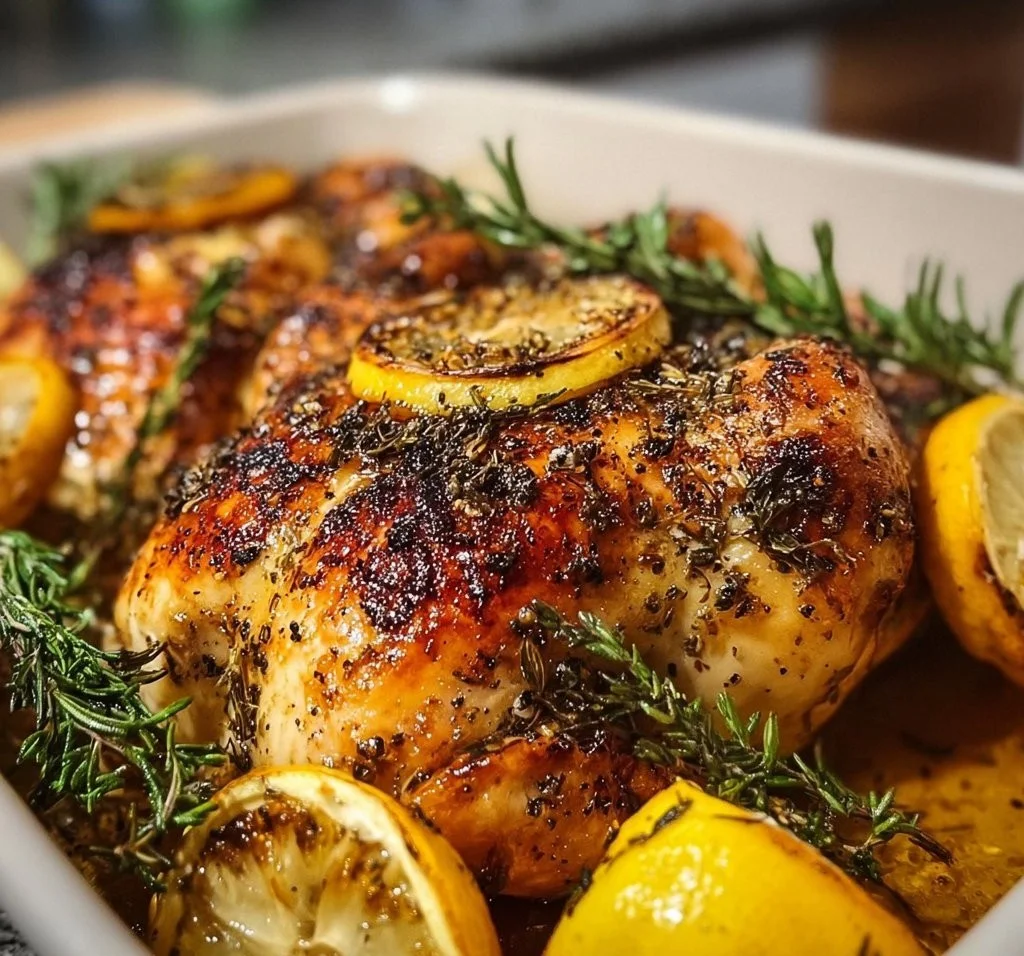
Easter Herb-Roasted Lemon Chicken
Ingredients
Method
- Preheat the oven to 400°F (200°C). Pat the chicken dry with paper towels.
- Make the herb-lemon marinade by combining the zest and juice of two lemons, olive oil, minced garlic, rosemary, thyme, salt, and pepper in a bowl.
- Season the chicken's cavity with salt and pepper, stuff with squeezed lemon halves, herbs, and garlic, and rub the marinade all over the chicken.
- Under the skin of the chicken breast and thighs, rub some marinade and place pats of butter.
- Chop onion into wedges, carrots into 2-inch pieces, and half or quarter the potatoes. Toss with olive oil, salt, and pepper.
- Arrange the vegetables in a roasting pan and place the chicken on top.
- Roast for approximately 1 hour and 15 minutes to 1 hour and 30 minutes, until the chicken reaches an internal temperature of 165°F (74°C).
- Baste the chicken halfway through cooking and rotate the pan for even browning.
- Let the chicken rest for 10-15 minutes before carving. Serve with roasted vegetables and drizzle pan juices over the top.