
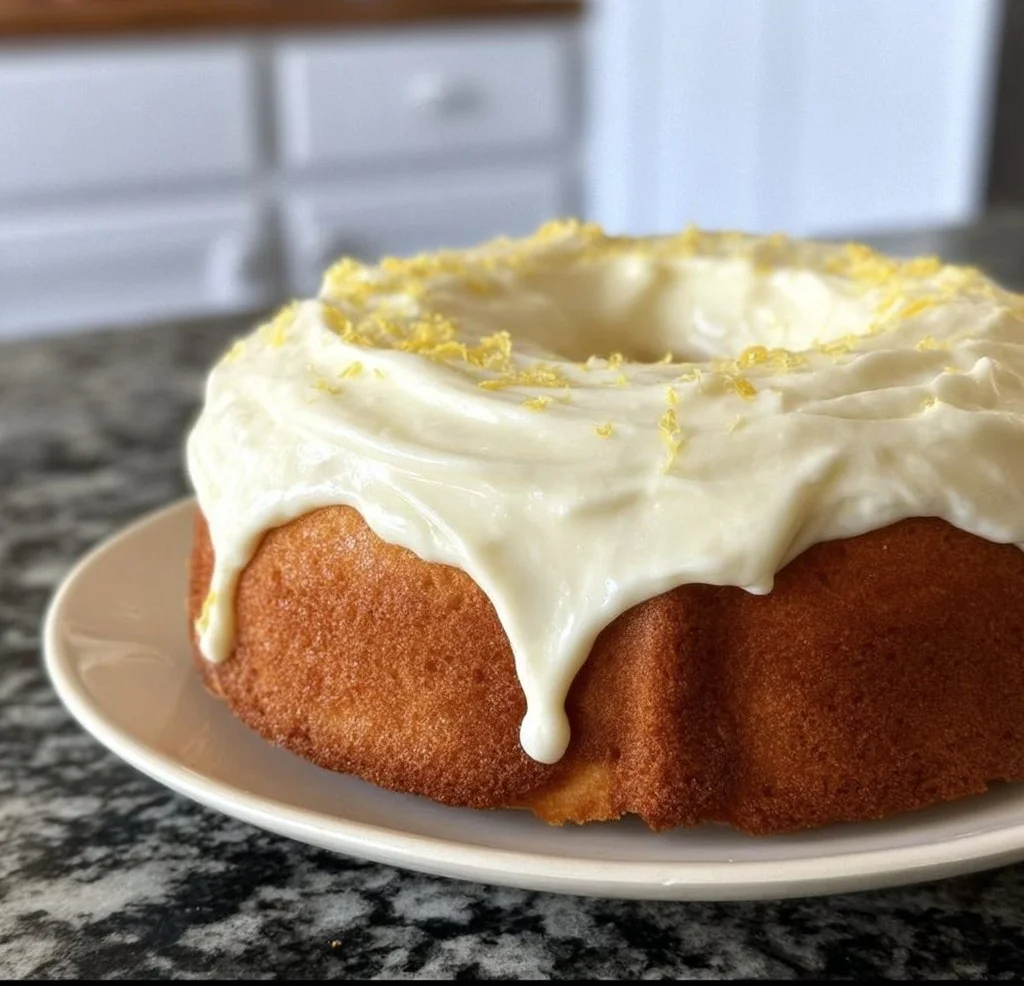
Lemon Cake with Lemon Cream Cheese Frosting
Bright Citrus Bundt Delight
A Little Kitchen Story
We are a small group of friends who love cozy chicken dinners and the rhythm of everyday cooking, and that same comfortable approach is how this lemon cake with lemon cream cheese frosting was born. This lemon cake with lemon cream cheese frosting is designed for real kitchens and busy weeknights, not perfection, so the method is forgiving and friendly. Every recipe here is tested, simplified, and written with clear steps so the lemon cake with lemon cream cheese frosting works the first time and every time after. If you like simple comfort dishes, you might also enjoy a savory bake like this chicken and spinach casserole with cream cheese which shares the same heartwarming spirit.
At-a-Glance Recipe Stats
- Prep Time: 15 minutes | Cook Time: 40-45 minutes | Total Time: 1 hour | Servings: 10 | Difficulty: Easy | Cuisine: American | Best Season: Spring
Why This Lemon Cake Charms
- Bright citrus flavor: The lemon juice and zest give the cake a lively, fresh brightness that wakes up your taste buds. It is perfect for warm afternoons or when you need a zesty pick-me-up.
- Creamy frosting balance: The lemon cream cheese frosting adds tang and richness that balances the cake’s softness. It turns a simple bundt into a celebratory dessert without being overly sweet.
- Easy to make: The steps are straightforward and friendly to bakers of any skill level, so you can feel confident in the kitchen. The recipe is forgiving enough for busy weeknights or last-minute gatherings.
- Crowd-pleasing for many occasions: Whether for a casual coffee, a birthday, or a potluck, this lemon cake looks and tastes like effort without needing hours. It slices beautifully and pairs well with light conversation and warm mugs.
Batter and Frosting Ingredients
- 2 cups all-purpose flour
- 1 1/2 cups granulated sugar
- 1/2 cup unsalted butter, softened
- 1 cup buttermilk
- 3 large eggs
- 1/4 cup fresh lemon juice
- Zest of 2 lemons
- 1 tablespoon baking powder
- 1/2 teaspoon salt
- 1 teaspoon vanilla extract
- 8 oz cream cheese, softened
- 1/2 cup unsalted butter, softened
- 3-4 cups powdered sugar
- 2 tablespoons fresh lemon juice
- Zest of 1 lemon (for frosting)
Ingredient Swaps and Notes
- All-purpose flour : For a lighter crumb, sift the flour and measure by spooning into the cup; for a gluten-free option, try a 1-to-1 gluten-free flour blend but expect a slightly different texture.
- Granulated sugar : Caster sugar speeds mixing and gives a finer crumb; brown sugar will add moisture and a hint of caramel if you prefer a deeper flavor.
- Butter (cake) : Use room temperature unsalted butter for best aeration; if using salted butter, reduce added salt by half.
- Buttermilk : If you do not have buttermilk, combine 1 tablespoon vinegar or lemon juice with milk to make a quick substitute and let it sit 5 minutes.
- Eggs : Large eggs at room temperature incorporate more evenly into the batter; cold eggs can slow mixing and affect texture.
- Lemons : Always zest before juicing to avoid removing the bitter pith; fresher lemons give brighter, cleaner citrus notes.
- Baking powder and salt : Make sure baking powder is fresh; old leavening will make the cake dense instead of tender and springy.
- Cream cheese and butter (frosting) : Bring both to room temperature to avoid lumps in the frosting; if the frosting feels too thin, chill briefly then rebeat.
Step-by-Step Baking Directions
- Preheat the oven to 350°F (175°C). Grease and flour a bundt or cake pan. Technique note: Coat the pan with a thin film of butter then dust with flour, tapping out the excess, to ensure a clean release.
- In a large bowl, cream together the butter and sugar until light and fluffy. Technique note: Beat for at least 3 to 4 minutes on medium speed to incorporate air for a lighter cake.
- Add eggs one at a time, mixing well after each addition. Stir in the buttermilk, lemon juice, lemon zest, and vanilla extract. Technique note: Scrape the bowl between additions so everything blends evenly.
- In another bowl, whisk together the flour, baking powder, and salt. Gradually add the dry ingredients to the wet mixture. Mix until just combined. Technique note: Overmixing develops gluten and will make the cake tough; stop when the streaks of flour disappear.
- Pour the batter into the prepared pan and smooth the top. Technique note: Tap the pan gently on the counter to release any large air bubbles and create an even surface.
- Bake for 40-45 minutes, or until a toothpick inserted into the center comes out clean. Let it cool in the pan for 10 minutes, then transfer to a wire rack to cool completely. Technique note: Cooling in the pan too long can cause moisture, so move it when warm but stable.
- For the frosting, beat together the cream cheese and butter until creamy. Gradually add powdered sugar, lemon juice, and lemon zest. Mix until smooth and spreadable. Technique note: Start on low speed to avoid a powdered sugar cloud, then increase to medium until silky.
- Once the cake is completely cool, frost with lemon cream cheese frosting and enjoy! Technique note: If you prefer a drizzled look, thin the frosting with a bit more lemon juice and pour it over the top for an elegant finish.
Pro-Level Technique Notes
- Temperature control: Room temperature ingredients mix together more uniformly and trap air more effectively, which leads to a lighter crumb and even rise. Let eggs and dairy sit at room temperature for about 30 minutes before baking.
- Pan preparation: For intricate bundt designs, use a pastry brush to get butter into crevices, then press flour or granulated sugar into the butter for extra security against sticking.
- Zesting for aroma: Zest releases essential oils that give the brightest lemon aroma; use a microplane and zest only the yellow portion to avoid bitterness.
- Frosting texture: For a pillowy frosting, beat the cream cheese and butter until completely smooth before adding powdered sugar; if it becomes too soft, chill briefly and rewhip for stability.
Creative Lemon Cake Twists
- Vegan version idea: Replace butter with vegan margarine, eggs with flax eggs, and use a plant-based buttermilk made from soy or almond milk plus vinegar for tang. Expect a slightly denser crumb, but the lemon flavor will still shine.
- Milder citrus profile: If you prefer subtler lemon notes, reduce the fresh lemon juice by half and increase vanilla; this will add warmth and roundness without losing brightness.
- Herb-infused variation: Fold in a tablespoon of finely chopped fresh thyme or rosemary for a fragrant, savory-sweet spin that pairs surprisingly well with the cream cheese frosting.
- Regional twist: Add a teaspoon of cardamom or a splash of orange juice to nod toward Middle Eastern flavors while keeping the cake familiar and comforting.
What to Serve With It
Pair this lemon cake with a pot of strong coffee for a morning treat or a chilled herbal tea on a sunny afternoon. For a dessert spread, serve with lightly whipped cream and fresh berries to echo the citrus brightness. A small plate of nutty biscotti or lemon-scented shortbread complements the cream cheese frosting and keeps the focus on delicate textures. For a celebratory table, place the cake next to citrus macarons and a carafe of sparkling water with lemon slices.
Make-Ahead and Freezing Hints
Prepare the cake layers or whole bundt a day ahead and keep it uncut to preserve moisture, then frost the next day for a clean finish. For longer storage, slice or wrap individual portions tightly in plastic wrap and freeze in airtight containers for up to three months; thaw in the refrigerator overnight and bring to room temperature before serving. The frosting can be made up to three days ahead and kept refrigerated; rewhip briefly before applying to restore fluffiness.
Serving and Presentation Ideas
Plate single slices on white dishes to let the pale yellow cake pop, and add a small curl of lemon zest on top for visual appeal. Serve slices with a spoonful of fresh berry compote to add color and a contrast of sweet and tart. For a cozy vibe, place the cake on a wooden board with linen napkins and mismatched teacups so it feels like a spontaneous gathering rather than a polished event.
Small Kitchen Secrets
- Room temperature trick: If you forgot to bring butter to room temperature, cut it into small cubes and let it sit for 10 minutes; do not microwave or you will melt it unevenly.
- Prevent cracks: Avoid opening the oven door too early; sudden temperature changes can cause the top to crack and fall, so check only in the final 10 minutes.
- Even slices: Chill the cake slightly before slicing to get clean edges and reduce frosting smearing.
- Frosting consistency: If adding powdered sugar makes the frosting grainy, beat in a splash of warm milk or a touch more lemon juice to smooth it out.
Keeping It Fresh
- Refrigerator storage: Store leftovers in an airtight container in the refrigerator for up to five days to preserve the cream cheese frosting. Microwave reheating: Heat single slices for 12 to 20 seconds on medium power to warm through without melting frosting completely.
- Stovetop refresh: For a tender, warmed slice, place the piece in a covered skillet over very low heat for a minute per side; cover briefly to trap steam and revive softness.
- Texture preservation: Avoid long microwave blasts which can dry the cake; gentle, short bursts preserve crumb and moisture.
Common Questions Answered
How can I tell when the cake is fully baked?
Insert a toothpick into the center and look for a few moist crumbs but no raw batter; the top should be lightly golden and spring back when touched. If the top browns too quickly, tent with foil and continue baking until the center is set. Allow the cake to cool in the pan for 10 minutes before turning out to avoid breakage.
Can I make this as cupcakes instead of a bundt?
Yes, divide the batter into lined muffin tins and bake at the same temperature for about 18 to 22 minutes, checking with a toothpick for doneness. Cupcakes will cook faster, so start checking around 15 minutes. Frost after they cool completely to prevent melting.
What if my frosting is too thin or too thick?
If too thin, add more powdered sugar a bit at a time and chill briefly if needed to firm up; if too thick, add a teaspoon of milk or lemon juice and beat until spreadable. Temperature affects texture, so chilling a too-soft frosting for 15 minutes then rewhipping often helps.
Can I use bottled lemon juice instead of fresh?
Fresh lemon juice gives the brightest flavor and the freshest aroma, but bottled juice can work in a pinch; you may need to adjust sugar slightly as bottled juice can be less vibrant. Zesting must be fresh, so never substitute bottled zest.
Is buttermilk necessary for the cake?
Buttermilk adds tang and reacts with baking powder for a tender crumb, but you can make a substitute with milk plus vinegar or lemon juice. The acidity helps with texture and flavor, so avoid omitting it without replacing with an acidic alternative.
How do I prevent the cake from sticking to the pan?
Grease the pan thoroughly and dust with flour or granulated sugar, paying special attention to crevices in a bundt. Let the cake cool slightly before releasing and run a thin knife around edges if needed to help it come free.
Nutrition Info
- Serving Size: 1 slice
- Calories: 420 kcal (estimate)
- Protein: 4 g
- Carbs: 60 g
- Fat: 18 g
- Fiber: 1 g
- Sugar: 38 g
Nutrition facts are estimates and may vary.
A Warm Note from the Kitchen
This lemon cake with lemon cream cheese frosting is the kind of recipe that carries flavor memories forward, blending bright citrus with creamy comfort. It is the sort of dessert that fits into family routines, weekend rituals, and shared afternoons, and it celebrates simple ingredients handled with gentle care. Every time the citrus aroma fills the kitchen it invites conversation and slows the pace for a few sweet moments. Baking this cake is a small act of hospitality that keeps the table warm.
Time to Bake and Share
If a tender, bright cake sounds like the perfect centerpiece for your next gathering, give this lemon cake with lemon cream cheese frosting a try and enjoy the easy, confident steps. Encourage friends to gather, make a pot of tea, slice generous pieces, and pin this recipe for future cozy afternoons.
Bright Citrus Bundt Delight
Ingredients
Method
- Preheat the oven to 350°F (175°C). Grease and flour a bundt or cake pan.
- In a large bowl, cream together the butter and sugar until light and fluffy.
- Add eggs one at a time, mixing well after each addition. Stir in the buttermilk, lemon juice, lemon zest, and vanilla extract.
- In another bowl, whisk together the flour, baking powder, and salt. Gradually add to the wet mixture, mixing until just combined.
- Pour the batter into the prepared pan and smooth the top.
- Bake for 40-45 minutes, or until a toothpick inserted in the center comes out clean.
- Let it cool in the pan for 10 minutes, then transfer to a wire rack to cool completely.
- Beat together the cream cheese and butter until creamy. Gradually add powdered sugar, lemon juice, and lemon zest until smooth.
- Frost the cooled cake and enjoy!