
Dutch Baby Pancake Recipe
Fluffy Oven-Baked Morning Treat
INTRODUCTION
We’re a small group of friends who love cozy chicken dinners and the rhythm of everyday cooking, and that same warmhearted spirit informs this Dutch baby pancake recipe. This puffy oven-baked pancake balances a custardy center with crisp, browned edges and a bright hint of lemon zest that wakes up each bite. The Dutch baby pancake is fast to make, forgiving, and ideal for slow weekend mornings or a special weekday breakfast that feels celebratory without fuss. If you enjoy portable recipe inspiration, try a cozy chicken crock pot recipe for an easy dinner companion to mornings of fresh baking.
Quick Recipe Overview
- Prep Time: 10 minutes | Cook Time: 25 minutes | Total Time: 35 minutes | Servings: 4 | Difficulty: Easy | Cuisine: American | Best Season: Spring to Summer
Why This Pancake Charms
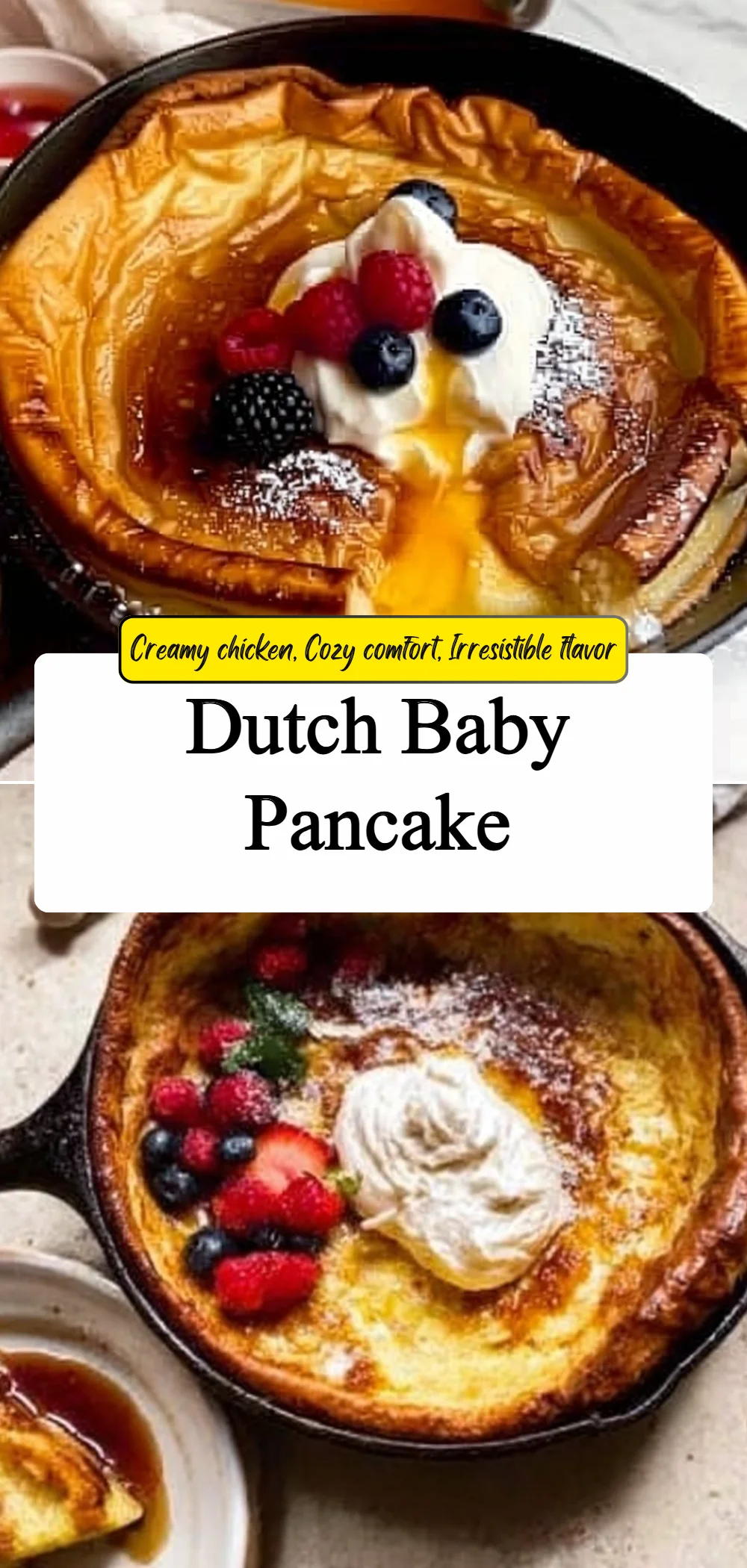
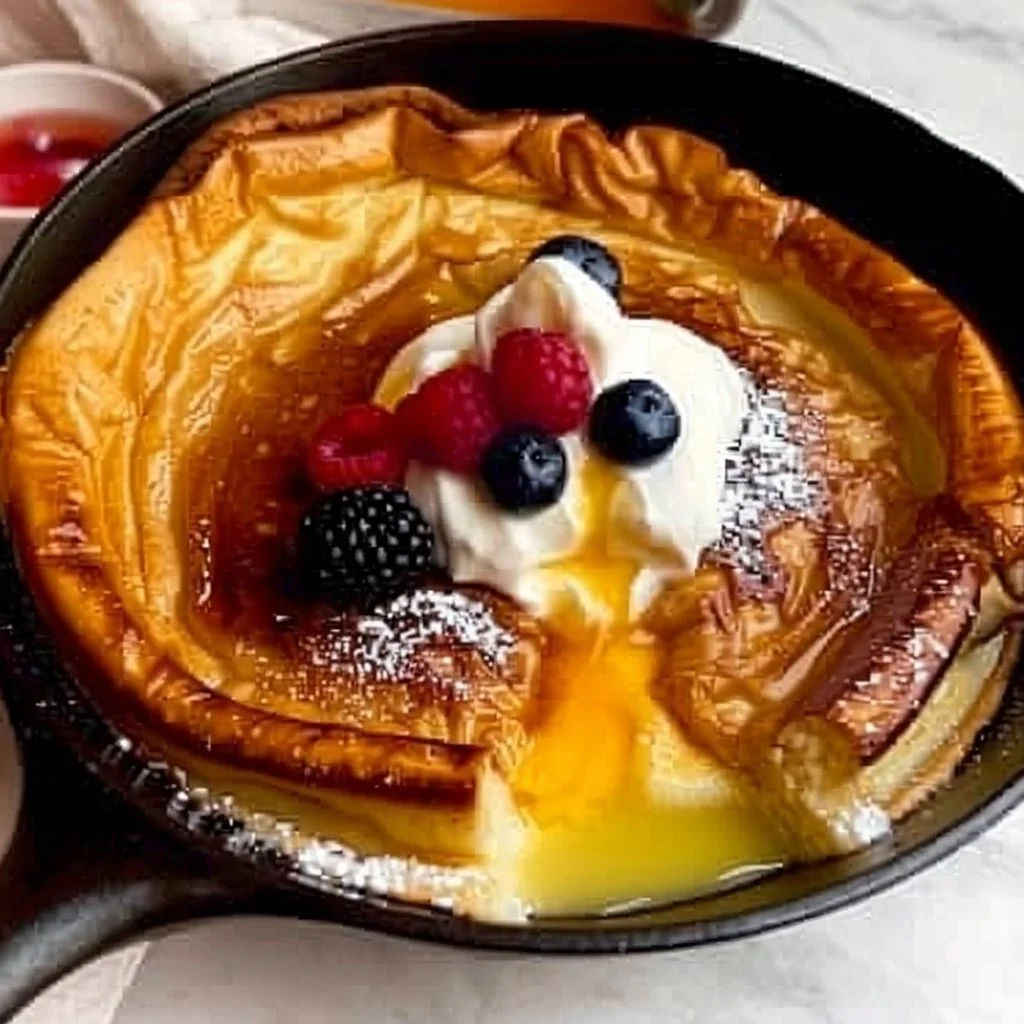
- Puffy texture that delights: The Dutch baby pancake puffs dramatically in the oven, creating a theater of steam and warmth that makes the kitchen smell like comfort. The contrast between airy edges and a slightly custardy center keeps every forkful interesting.
- Quick and reliable: The batter blends in one minute and bakes while you pour coffee, so it is ideal for mornings where time is short but satisfaction is mandatory. It is forgiving for home cooks who appreciate simple steps that still deliver a wow factor.
- Bright citrus finish: A teaspoon of lemon zest lifts the richness of the butter and eggs, adding a clean, sunny note that pairs beautifully with berries or syrup. That citrus thread keeps the pancake from tasting too heavy and makes it feel fresh.
- Crowd-pleasing presentation: Straight from oven to table, the puff collapses just enough to cradle toppings and looks dramatic without effort. It is a great choice for casual brunches or a gentle celebration where ease matters.
Pantry and Batter Essentials
- 3 large eggs, at room temperature
- 3/4 cup (94g) all-purpose flour
- 3/4 cup (180ml) whole milk, at room temperature (or nondairy)
- 1 teaspoon lemon zest*
- 2 Tablespoons (25g) granulated sugar
- pinch salt
- 1/2 teaspoon vanilla extract
- 3 Tablespoons (43g) unsalted butter
- 2 Tablespoons confectioners’ sugar, for sifting
- optional toppings: berries, whipped cream, maple syrup, and/or strawberry sauce
Ingredient Notes and Swaps
- Eggs : Use room temperature eggs for the best rise; cold eggs can make the batter less likely to puff. If you forget to set them out, slip them into warm water for five minutes to take the chill off.
- Milk : Whole milk creates a richer custard, but nondairy milk like oat or almond works well for lactose-free needs. Choose unsweetened versions to control the balance of flavors.
- Butter : Unsalted butter lets you manage salt in the batter and prevents overly salty pockets in the finished pancake. If a dairy-free option is needed, use a firm plant-based butter that melts cleanly.
- Flour and sugar : All-purpose flour gives structure and a tender crumb; the small amount of granulated sugar helps with browning and a hint of sweetness. For a slightly nuttier flavor, you can try half all-purpose and half white whole wheat flour, keeping texture expectations in mind.
Step-by-Step Baking Instructions
- Place the eggs in a blender and blend on medium-high speed until frothy and fluffy, about 45 seconds. Beginner-friendly technique note: blending aerates the eggs quickly, which helps the Dutch baby rise tall in the oven.
- Add flour, milk, lemon zest, sugar, salt, and vanilla, and blend until combined. The batter is thin. Tip: scrape the blender once if needed so no dry pockets of flour remain.
- Set aside and allow to rest for 15 minutes at room temperature, or cover and refrigerate it for up to 24 hours. (No need to bring to room temperature before baking.). Resting lets the flour hydrate and results in a smoother bake.
- Preheat the oven to 400°F (204°C). Use an oven thermometer if your oven runs hot or cool; accurate temperature ensures the dramatic puff.
- Place butter in a 10-inch oven-safe skillet (or any 3-quart baking dish), and place in the oven for just 5 minutes to melt the butter. (Be sure not to leave it in the oven to burn!). Technique note: the hot butter sizzles when the batter hits it and helps create crisp, golden edges.
- Remove from the oven and use a pastry brush to spread the melted butter up the sides of the pan. Work quickly so the butter remains hot and coats the surface evenly.
- Pour the batter into the center of the hot pan. No need to swirl it around. Place it in the oven and bake for 15 minutes. Keeping the Dutch baby pancake in the oven, reduce the temperature to 350°F (177°C) and bake for 10 more minutes, or until the edges and center are browned. Timing note: ovens vary, so begin checking at the lower end of the time range to avoid overbrowning.
- Remove from the oven and cool for 5 minutes before adding desired toppings. Slice and serve. Presentation tip: dust confectioners’ sugar and add fresh berries and a drizzle of maple syrup for contrast.
- The pancake is best enjoyed right away, but you can cover and store leftovers in the refrigerator for up to 5 days, or in the freezer for up to 2 months. Reheat gently to preserve texture.
Pro Techniques for Success
- Heat matters: A truly hot pan with melted butter is the key to dramatic lift; the batter must hit a sizzling surface. Use an oven-safe skillet that holds heat well, such as cast iron or stainless steel.
- Rest and rhythm: Allowing the batter to rest improves texture by giving flour time to absorb liquids; 15 minutes is ideal but up to 24 hours in the fridge is fine for make-ahead ease. If chilled, bake straight from the fridge without additional time at room temperature.
- Watch the oven door: Avoid opening the oven during the first 15 minutes of baking to prevent heat loss and collapse. Use the oven light to check color and puff rather than frequently opening the door.
- Topping timing: Add heavy toppings like whipped cream right before serving so they do not weigh down the pancake while it is still warm. Lighter items such as a sprinkle of sugar or citrus zest can go on sooner.
Creative Dutch Baby Twists
- Vegan-style version: Replace eggs with a chickpea flour batter and use oat milk and a firm plant-based butter alternative. The texture will be more crepe-like but still satisfying with bold toppings like caramelized apples.
- Mild-fruity variation: Add thinly sliced apples or pears to the hot butter before pouring the batter, allowing them to roast slightly as the pancake sets. Finish with toasted almonds and a drizzle of honey or maple syrup.
- Savory spin: Omit the sugar and lemon zest, and fold in a handful of grated cheese and chopped herbs to the batter for a brunch-friendly savory Dutch baby. Top with sautéed mushrooms or roasted cherry tomatoes for depth.
- Regional sweet touch: Mix in a tablespoon of nutmeg and a splash of orange juice for a spiced, citrusy profile reminiscent of holiday breakfasts. Top with stewed cranberries or warm berry compote for seasonality.
Perfect Sides and Drinks
- Sides: Serve with a bowl of mixed berries, lemon-scented yogurt, or a simple green salad for a brunch balance. A small plate of smoked turkey or seared mushrooms pairs well with the light custard center.
- Drinks: Bright, citrusy teas or a cold-pressed orange juice complement the lemon zest in the pancake. For a warm pairing, a lightly roasted coffee provides a toasty counterpoint.
- Dessert idea: Keep the meal flowing with a light sorbet or a scoop of vanilla gelato if you want to pivot into dessert territory after a generous brunch.
Make-Ahead and Freezing Notes
- Batter storage: The batter can be prepared and refrigerated up to 24 hours in an airtight container. Give it a gentle stir before pouring; there is no need to bring it to room temperature.
- Leftover pancake: Cool completely, then wrap tightly before refrigerating for up to 5 days. For longer storage, freeze sliced portions in a single layer on a baking sheet and then transfer to a freezer bag for up to 2 months.
- Reheating: Reheat slices in a 350°F oven for 8-10 minutes or in a toaster oven to re-crisp edges. Avoid the microwave if you want to maintain textural contrast.
Serving Suggestions and Style
- Plating: Slide the pancake onto a wooden board or a large platter to showcase the puff and edges; dust with confectioners’ sugar right before serving for visual drama. Arrange berries and a small pitcher of maple syrup so guests can finish their own portions.
- Cozy vibes: Serve on mismatched plates with cloth napkins and fresh flowers for an easy, inviting table. The tactile joy of tearing into a warm, slightly collapsed Dutch baby brings an intimate, communal feel to any meal.
Small Secrets from the Kitchen
- Butter temperature: Melted butter should be hot but not smoking; if it smokes, your pan may be too hot and the batter can brown too fast. A perfectly melted, clear butter helps the batter cling to the pan sides.
- Batter thinness: Embrace a thin batter; it puffs best when airy and loose rather than thick. If it seems too thick, add a tablespoon of milk at a time until it reaches a pourable consistency.
- Flipping expectations: Do not try to flip a Dutch baby; it is designed to be baked and served as is to preserve the dramatic edges. Use a long spatula to lift slices cleanly.
- Sugar control: Confectioners’ sugar finishes beautifully and melts in lightly on warm batter; offer additional syrups at the table for those who prefer more sweetness.
Storing Leftovers and Reheating
- Refrigerator method: Store covered in an airtight container and keep slices cold for up to 5 days; this preserves flavor but softens crisp edges. To revive crispness, reheat in a 350°F oven for 8-10 minutes.
- Microwave and stovetop: The microwave will warm the pancake quickly but will soften the exterior; reheat only briefly if using a microwave. For better texture, warm in a nonstick skillet over medium-low heat for a few minutes to refresh the edges.
- Texture preservation: To maintain the contrast between crispy rim and tender center, always reheat at moderate heat rather than blasting at high temperature.
Common Questions Answered
What makes the Dutch baby puff so much?
The puff comes from steam and air trapped in the thin batter as it hits a very hot, buttered pan. The eggs provide structure while the heat creates expansion, so keeping the pan hot and avoiding early oven door openings helps maximize rise.
Can I make the batter ahead of time?
Yes, the batter keeps well for up to 24 hours refrigerated, which makes mornings much easier. There is no need to bring it to room temperature before baking; bake directly from the fridge if preferred.
Why is my Dutch baby dense instead of airy?
Common causes include under-blended eggs, a pan that is not hot enough, or opening the oven too early. Blend the eggs until frothy, ensure the pan and butter are hot, and resist opening the oven for the first part of baking.
How should I reheat leftovers for best texture?
Reheat slices in a 350°F oven or toaster oven for about 8-10 minutes to re-crisp the edges while keeping the center tender. Avoid the microwave unless you plan to finish in a skillet to regain interest in the crust.
Can I make a savory version without lemon or sugar?
Absolutely; omit the sugar and lemon zest and add savory elements like grated cheese, herbs, or cooked vegetables. Serve immediately with a side of greens or roasted tomatoes.
Is there a gluten-free option that still puffs?
Gluten-free flours can work, but the texture will differ and rise may be less dramatic. A blend that includes a cup-for-cup gluten-free mix often gives the most familiar result; consider adding a teaspoon of xanthan gum if the blend lacks binding agents.
Nutrition Info
- Serving Size: 1 slice (approx 1/4 recipe)
- Calories: 270
- Protein: 8g
- Carbs: 22g
- Fat: 16g
- Fiber: 0.5g
- Sugar: 10g
Nutrition facts are estimates and may vary.
A Warm Note from the Kitchen
This Dutch baby pancake recipe is a small ritual that invites people to slow down and enjoy a simple, generous breakfast together. Its balance of crisp edges, tender center, and bright lemon makes it adaptable to many tastes and seasons. Food brings culture and comfort in quiet ways, and a shared pan of something warm often starts conversations and laughter. May this recipe live in many kitchens as an easy, reliable way to create a special moment without ceremony.
Final Encouragement to Cook
Give this Dutch baby pancake a try the next time you want a memorable but effortless breakfast; the rise, the fragrance, and the easy toppings make it a joy to serve and to eat. Pin the recipe, share a photo if you like, and let the simple pleasure of a perfectly puffed pancake bring a little brightness to your table.
Dutch Baby Pancake
Ingredients
Method
- Place the eggs in a blender and blend on medium-high speed until frothy and fluffy, about 45 seconds.
- Add flour, milk, lemon zest, sugar, salt, and vanilla; blend until combined. Scrape the blender if needed to ensure there are no dry pockets of flour.
- Set aside batter to rest for 15 minutes at room temperature.
- Preheat the oven to 400°F (204°C).
- Place butter in a 10-inch oven-safe skillet and melt in the oven for 5 minutes.
- Remove from the oven and use a pastry brush to spread melted butter evenly up the sides of the pan.
- Pour the batter into the center and bake for 15 minutes. Reduce temperature to 350°F (177°C) and bake for another 10 minutes, until browned.
- Remove from the oven and cool for 5 minutes before adding desired toppings. Slice and serve.