
Coconut Cake
Light, Fluffy Coconut Bliss
INTRODUCTION
We’re a small group of friends who love cozy chicken dinners and the rhythm of everyday cooking, and this Coconut Cake grows from that same warm, unfussy place where sweet finishes make the whole meal feel complete. This Coconut Cake was developed for real kitchens and busy evenings, with clear steps so the recipe works the first time and every time after, giving you a reliable celebration cake without stress. As you bake, the kitchen fills with a gentle coconut aroma that feels familiar and comforting, and this Coconut Cake invites conversation and slow forks around the table. If you want a complementary savory weeknight idea, try this amazing slow cooker coconut chicken for a coconut-forward dinner to pair with dessert.
Snapshot: Cake at a Glance
- Prep Time: 25 minutes
- Cook Time: 21–24 minutes per batch
- Total Time: About 1 hour 45 minutes including cooling
- Servings: 12–16 slices depending on slice size
- Difficulty: Moderate, beginner-friendly with clear steps
- Cuisine: Classic American with tropical coconut notes
- Best Season: Year-round, especially spring and summer
What Makes This Cake Special
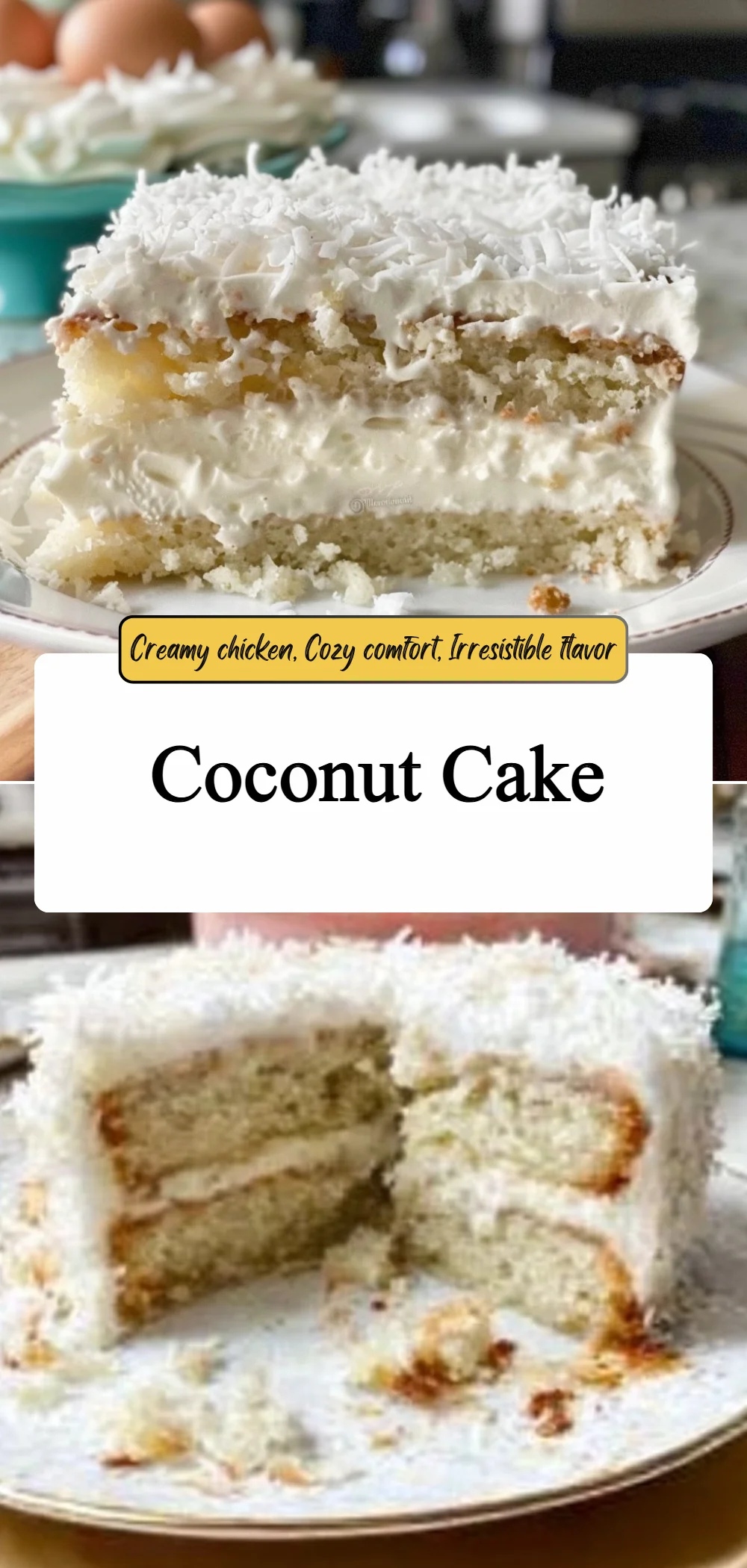
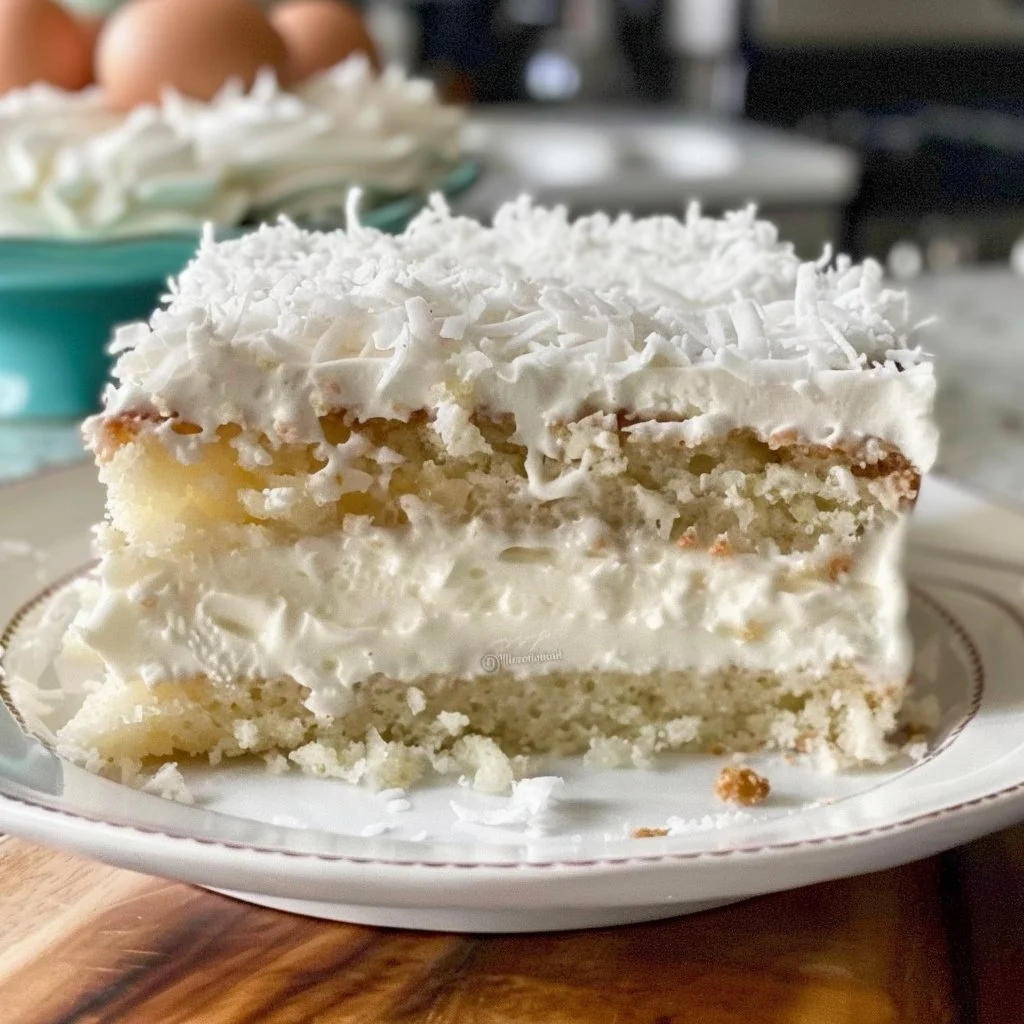
- Classic Coconut Flavor: The cake layers are tender and fragrant with both coconut milk and coconut extract, so every bite tastes bright and tropical. It’s not overly sweet, which lets the coconut shine through with a buttery cake crumb.
- Light, Fluffy Texture: Whipping egg whites and using cake flour gives an elevated lift and a soft crumb that feels feather-light in the mouth. Even though it looks like a celebration cake, the texture is approachable and never dense.
- Buttery Cream Cheese Frosting: The frosting balances sweetness with a tangy cream cheese base and a touch of coconut milk for silkiness. It spreads beautifully and holds toasted coconut on the sides without sliding.
- Crowd-Pleasing Occasion Cake: This Coconut Cake works for birthdays, potlucks, and lazy Sunday afternoons when you want something pretty but not fussy. It assembles easily and keeps well in the refrigerator for a few days.
Pantry and Ingredients Needed
- 2 and 1/2 cups (285g) cake flour (spooned & leveled)
- 2 teaspoons baking powder
- 1/2 teaspoon baking soda
- 1 teaspoon salt
- 3/4 cup (12 Tbsp; 170g) unsalted butter, softened to room temperature
- 1 and 2/3 cups (330g) granulated sugar
- 5 large egg whites, at room temperature
- 1/2 cup (120g) sour cream, at room temperature
- 2 teaspoons pure vanilla extract
- 1 teaspoon coconut extract
- 1 cup (226g/240ml) unsweetened canned coconut milk, at room temperature*
- 1 cup (80g) sweetened shredded coconut
- 1 cup (16 Tbsp; 226g) unsalted butter, softened to room temperature
- 8 ounces (226g) full-fat brick cream cheese, softened to room temperature*
- 5 cups (600g) confectioners’ sugar
- 2 Tablespoons (30ml) canned coconut milk
- 1/2 teaspoon pure vanilla extract
- 1/2 teaspoon coconut extract
- 1/8 teaspoon salt
- 2 cups (160g) sweetened shredded coconut
Ingredient Notes and Swaps
- Cake flour : Use cake flour for a tender crumb; if you only have all-purpose flour, measure and remove 2 tablespoons per cup then add 2 tablespoons cornstarch per cup for a similar effect.
- Unsalted butter : Softened butter ensures smooth creaming with the sugar; if using salted butter, reduce added salt slightly to taste.
- Egg whites : Room temperature egg whites whip more evenly and incorporate air better, which helps the cake rise without adding extra yolk fat.
- Coconut milk : Use full-fat canned coconut milk for the richest flavor and moist crumb; shake the can before measuring to recombine solids and liquid.
- Cream cheese : Full-fat brick cream cheese gives the frosting stability and tang; avoid low-fat or spreadable varieties if you want a firm buttercream.
- Shredded coconut : Sweetened shredded coconut adds chew and sweetness; for a less sweet cake, use unsweetened and increase frosting sugar to balance.
Step-by-Step Baking Directions
- Preheat oven to 350°F (177°C). Grease three 8-inch cake pans, line with parchment paper rounds, then grease the parchment paper. Parchment paper helps the cakes seamlessly release from the pans. (If it’s helpful, see this parchment paper rounds for cakes video & post.)
- Whisk the cake flour, baking powder, baking soda, and salt together. Set aside.
- Using a handheld or stand mixer fitted with a paddle or whisk attachment, beat the butter and sugar together on medium-high speed until smooth and creamy, about 2 minutes. Scrape down the sides and up the bottom of the bowl with a rubber spatula as needed.
- Beat in the egg whites until combined, then add the sour cream, vanilla extract, and coconut extract. Beat until combined. Mixture will look curdled as a result of the varying textures and solid butter combining. Scrape down the sides and up the bottom of the bowl as needed.
- With the mixer on low speed, slowly add the dry ingredients and coconut milk. Beat on low speed until combined, then add the shredded coconut. Whisk it all by hand to make sure there are no butter lumps at the bottom of the bowl. The batter will be slightly thick.
- Pour batter evenly into cake pans. Weigh them to ensure accuracy, if desired. Bake for 21–24 minutes or until the cakes are baked through. To test for doneness, insert a toothpick into the center of the cake. If it comes out clean, it’s done. Allow cakes to cool in the pans set on a cooling rack for 1 hour, then remove from the pans and place the cakes directly on the rack to continue cooling. The cakes must be completely cool before frosting and assembling.
- In a large bowl using a handheld or stand mixer fitted with a whisk or paddle attachment, beat the butter and cream cheese together on medium speed until creamy and smooth, about 2 minutes. Add confectioners’ sugar, coconut milk, vanilla extract, coconut extract, and salt with the mixer running on low. Increase to high speed and beat for 3 minutes. Add more confectioners’ sugar if frosting is too thin, more coconut milk if frosting is too thick, or an extra pinch of salt if frosting is too sweet.
- Using a large serrated knife, slice a thin layer off the tops of the cakes to create a flat surface. Discard (or crumble over ice cream!). Place 1 cake layer on your cake stand, cake turntable, or serving plate. Evenly cover the top with 1 heaping cup (about 250–300g) of frosting. Top with second cake layer and evenly cover the top with another heaping cup of frosting. Top with the third cake layer. Spread the remaining frosting all over the top and sides. I use and recommend an icing spatula to apply the frosting and a bench scraper to smooth the sides. Sprinkle coconut on top of the cake and apply it to the sides. This can get a little messy and you can watch me do it in the video tutorial. See blog post above about buttercream rose decoration.
- Refrigerate cake for at least 20 minutes before slicing. This helps the cake hold its shape when cutting, though it’s still a pretty fluffy cake!
- Cover leftover cake tightly and store in the refrigerator for up to 5 days.
Technique notes: Chill the assembled cake briefly to firm the frosting, and use a long serrated knife warmed under hot water and wiped dry for clean slices. If you want perfectly even layers, weigh the batter per pan or use a kitchen scale to divide.
Pro-Level Technique Notes
- Temperature and timing : Always bring dairy ingredients to room temperature so they mix evenly and you avoid a curdled batter appearance; oven temperature accuracy matters, so use an oven thermometer if you can.
- Frosting consistency : If your frosting looks too loose on a warm day, chill it briefly and re-whip; for stiffer piping use a bit more confectioners’ sugar but avoid over-sweetening.
- Even layers : Use a cake strip or rotate pans halfway through baking for more even rise and browning; trimming the domes guarantees a level cake for stacking.
- Toasted coconut : Toast shredded coconut in a dry skillet over medium heat until golden for extra crunch and aroma, watching closely because it browns quickly.
Delicious Ways to Change It Up
- Tropical Vegan Version : Substitute vegan butter, aquafaba whipped in place of egg whites, plant-based cream cheese, and a vegan sour cream alternative; use powdered sugar with a bit more coconut milk until you reach the right texture. The cake will be softer and extra fragrant with coconut, and careful handling keeps the crumb intact.
- Mild Citrus Twist : Add 1 tablespoon of lime zest to the batter and swap half the coconut extract for lime extract for a bright, tangy lift that pairs beautifully with the coconut frosting. It keeps the cake approachable while adding a light, citrusy balance.
- Spiced Coconut Variation : Stir 1/2 teaspoon ground cardamom and a pinch of nutmeg into the dry ingredients for a warm, aromatic profile perfect for cooler months or a unique holiday cake. The spices complement the coconut without overpowering it.
- Regional Take with Pineapple : Fold in 3/4 cup finely crushed drained pineapple to the batter and reduce coconut milk slightly to maintain structure, creating a pina colada inspired cake that tastes like a beachside treat.
Perfect Sides and Drinks
- Sides : Serve with fresh berries lightly macerated in a teaspoon of sugar to cut sweetness and add brightness, or a scoop of vanilla bean ice cream for a classic pairing.
- Drinks : Coconut-forward cocktails without alcohol like a sparkling pineapple-coconut spritzer or a creamy iced coffee with coconut milk echo the cake’s flavors.
- Dessert Pairing : Offer a small plate of toasted nuts or a citrus curd spooned alongside for guests who enjoy mixing textures and tang with each forkful.
Make-Ahead and Freezing Tricks
- Batter : You can prepare the batter a day ahead and keep it refrigerated for up to 24 hours; allow it to come back to room temperature before baking for even results.
- Layers : Bake the layers a day in advance, wrap them tightly in plastic wrap, and keep them refrigerated; this actually makes trimming and stacking easier.
- Fully Assembled Cake : Freeze a frosted cake in an airtight container for up to 1 month; thaw in the refrigerator overnight before serving and briefly rest at room temperature for 30 minutes for better texture.
- Storage : Keep leftover slices in an airtight container in the refrigerator for up to 5 days or freeze single slices wrapped well for 2–3 weeks.
Serving and Presentation Ideas
- Simple Slice Presentation : For a cozy vibe, place the cake on a neutral cake stand and serve with a small scattering of toasted coconut and fresh mint leaves. The contrast of textures and the pale frosting create an inviting look.
- Party-Focal Cake : Pipe small rosettes around the top edge and press toasted coconut into the sides for a show-stopping centerpiece; use a turntable for clean edges and an offset spatula for smooth surfaces.
- Casual Family Style : Cut into generous squares and serve on mismatched plates with a spoonful of whipped cream and a few berries for an easy, homey feel.
Little Kitchen Secrets
- Use a bench scraper to get glass-smooth cake sides; chill between passes for the cleanest finish.
- Warm your serrated knife under hot water and dry between cuts to slice neat layers without tearing the crumb.
- Toasted coconut doubles as garnish and texture; toast in small batches so it stays crisp and golden, not burnt.
- When frosting, apply a thin crumb coat first and chill, then finish with a final thicker layer to trap crumbs and get a polished look.
Storage and Reheating Guidance
- Refrigerator : Store covered to prevent the cake from drying; the frosting protects the crumb and the cake stays moist for several days.
- Freezer : Wrap tightly with plastic and foil to prevent freezer burn; thaw in the refrigerator overnight to maintain texture.
- Microwave + Stovetop : For single slices, a 8–10 second zap in the microwave will soften chilled frosting for a tender bite; stovetop reheating is not recommended for whole cake as heat is uneven.
Questions Home Bakers Ask
How do I prevent my cake from sinking in the middle?
Allow your eggs and butter to reach room temperature and avoid overmixing once the flour is added, which can deflate the batter. Make sure your baking powder is fresh and preheat the oven fully before putting pans in. Opening the oven door too early can also cause collapse, so resist peeking in the first 15 minutes.
Can I use all-purpose flour instead of cake flour?
Yes, you can approximate cake flour by replacing 2 tablespoons per cup of all-purpose flour with cornstarch, then sifting together. The cake will be slightly less tender but still delicious. For best results, use cake flour when available.
Why did my frosting turn out too soft?
Warm kitchen temperatures or overly softened butter and cream cheese can thin the frosting; chill for 10 to 20 minutes and re-whip to thicken. If needed, add more confectioners’ sugar a little at a time to reach the desired consistency.
Is it okay to use unsweetened shredded coconut in the cake and sweetened on the outside?
Absolutely, using unsweetened in the batter keeps internal sweetness balanced while sweetened coconut on the exterior adds texture and visual appeal. Adjust frosting sweetness slightly if using all unsweetened coconut to maintain harmony.
Can I make this into cupcakes instead?
Yes, bake at 350°F in a lined muffin tin for about 16–20 minutes, testing for doneness with a toothpick. Fill liners about two-thirds full and reduce baking time slightly compared to layers.
How far in advance can I assemble the cake for an event?
Assemble the cake up to 24 hours ahead and keep it chilled; remove from the refrigerator about 30 minutes before serving to let flavors bloom. If decorating with delicate garnishes, add them just before serving to maintain freshness.
Nutrition Info
- Serving Size: 1 slice (approximate)
- Calories: 540
- Protein: 5g
- Carbs: 62g
- Fat: 29g
- Fiber: 1g
- Sugar: 44g
Nutrition facts are estimates and may vary based on ingredients and portion size.
A Note From the Kitchen
This Coconut Cake is the kind of recipe that carries the feel of shared afternoons and easy celebrations, where flavor and memory come together in a single slice. It celebrates familiar textures and tropical brightness without requiring elaborate technique, so it becomes part of the regular rotation for special meals and simple comforts alike. When you slice into it, the soft crumb and coconut-scented frosting are reminders that food brings people together, whether for a weekday dessert or a weekend gathering.
One Last Bite of Encouragement
If you try this Coconut Cake, trust the simple steps and enjoy the process as much as the slice, and remember to share and pin your favorites for later. Cozy kitchens and good company are the best reasons to bake, so gather plates, make a pot of something warm, and enjoy every coconut-scented bite.
Coconut Cake
Ingredients
Method
- Preheat oven to 350°F (177°C). Grease three 8-inch cake pans, line with parchment paper rounds, then grease the parchment.
- Whisk the cake flour, baking powder, baking soda, and salt together. Set aside.
- Beat the butter and sugar together on medium-high speed until smooth and creamy, about 2 minutes.
- Beat in the egg whites until combined, then add sour cream, vanilla extract, and coconut extract. Beat until combined.
- With the mixer on low speed, slowly add the dry ingredients and coconut milk. Beat until combined, then add the shredded coconut.
- Pour batter evenly into cake pans and bake for 21–24 minutes until a toothpick comes out clean.
- Allow cakes to cool in the pans for 1 hour, then remove from pans and cool completely.
- Beat the butter and cream cheese together until creamy, then add confectioners' sugar, coconut milk, vanilla, coconut extract, and salt. Beat for 3 minutes.
- If needed, adjust frosting consistency.
- Slice the tops of the cakes to make them level. Place the first layer on a cake stand and cover with frosting.
- Top with the second layer and repeat. Add the third cake layer and cover with remaining frosting.
- Refrigerate cake for at least 20 minutes before slicing.