
Perfect Roasted Leg of Lamb Recipe with Garlic Tips
Herb-Skillet Comfort Roast
INTRODUCTION
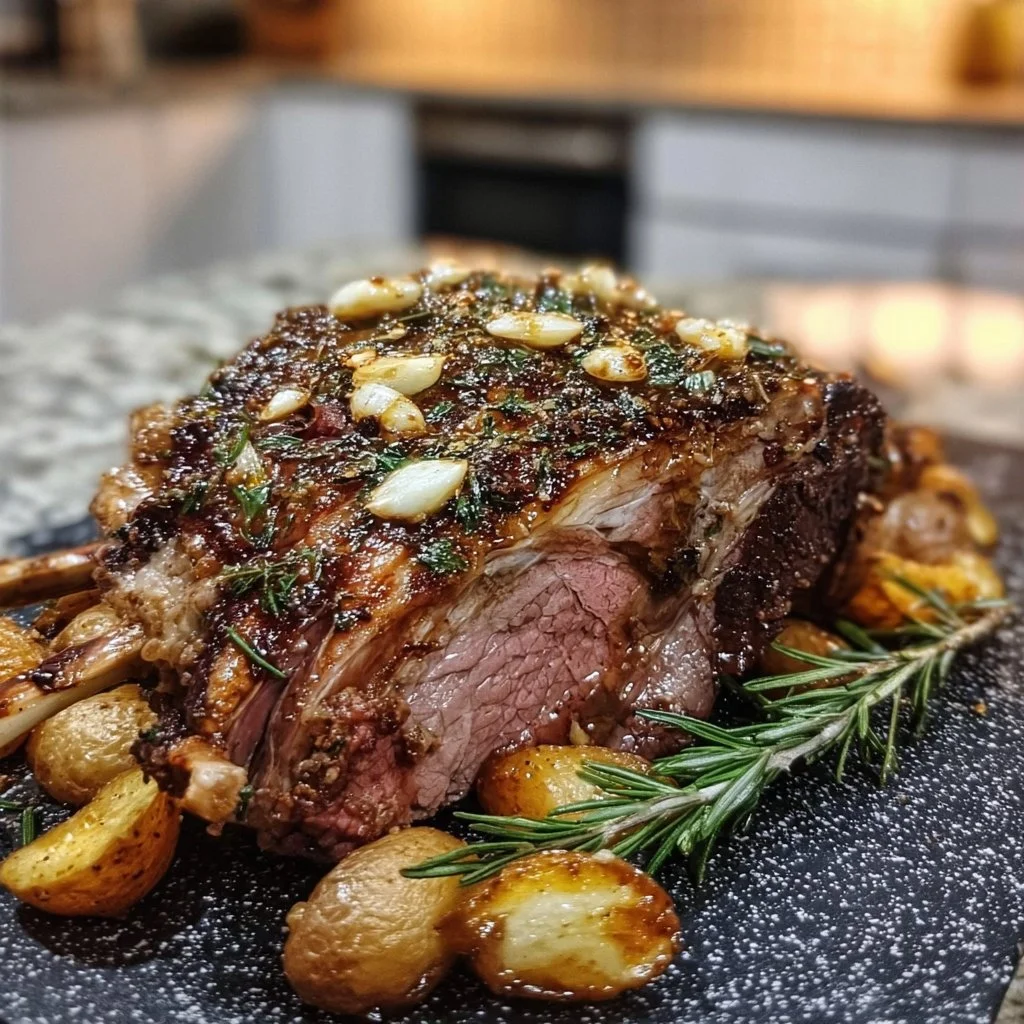
At the end of a busy week we gather around a table drawn close by steam and laughter, cooking to soothe the day and share small joys. We love a simple roasted leg of lamb that fills the kitchen with warm, herb-scented air. This roasted leg of lamb is forgiving, unfussy, and built for real life, not perfection. A garlic and rosemary paste transforms the meat and makes every bite sing. Recipes are tested and written to work the first time; for a cozy companion try cozy slow cooker garlic butter beef with potatoes for warm conversation and slow meals.
Snapshot: Time, Yield, Skill
- Prep Time: 20 minutes | Cook Time: 1 hour 45 minutes | Total Time: about 2 hours 5 minutes | Servings: 6–8
- Difficulty: Moderate | Cuisine: Mediterranean-inspired roast | Best Season: Autumn and winter
Reasons This Roast Wins
- Flavor that fills the room: The garlic and rosemary perfume the kitchen as the lamb roasts, creating a savory, herbaceous aroma that draws everyone to the stove. Each slice carries concentrated flavor from the crust to the center, making simple sides sing.
- Easy enough for a weeknight, special enough for a celebration: The technique is straightforward, but the result feels elevated and festive. You can scale and adapt the timing for busier schedules while keeping the same comforting outcome.
- Built for sharing: This roasted leg of lamb makes a generous centerpiece that encourages conversation and relaxed serving. Carving at the table turns dinner into an experience, not a chore.
- Reliable and forgiving: The recipe tolerates slight timing shifts, and a thermometer removes guesswork for perfect doneness. Leftovers reheat well and taste even richer the next day when reheated gently.
Essential Pantry and Produce
- 4–5 pounds leg of lamb, bone-in or boneless
- 6–8 large cloves garlic, minced
- 4–6 sprigs fresh rosemary, finely chopped
- 3 tablespoons olive oil
- Zest of 1 lemon (optional)
- 2 teaspoons kosher salt
- 1 teaspoon freshly cracked black pepper
- Carrots, potatoes, and onions (optional, for roasting alongside the lamb)
Smart Ingredient Notes
- 4–5 pounds leg of lamb : Choose bone-in if you like richer flavor and a moister roast; boneless is easier to carve. Look for even thickness so the meat cooks uniformly.
- 6–8 large cloves garlic : Fresh garlic gives bright punch; press or mince just before mixing to preserve oil and aroma. Use roasted garlic as a swap for a milder, caramelized sweetness.
- 4–6 sprigs fresh rosemary : Use fresh for the best herb oils and texture; dried rosemary can be used in a pinch at one third the quantity. Strip the needles and chop finely so they disperse into the paste.
- 3 tablespoons olive oil : Extra virgin olive oil builds a glossy, herb-clinging crust and helps the paste spread. Neutral oil can be used if you prefer a subtler fruity note.
- Zest of 1 lemon (optional) : Lemon zest brightens the heavy richness and lifts the palate; leave it out for a mellower profile. Use the zest sparingly to avoid bitterness.
Stepwise Roast Instructions
- Take the lamb out of the refrigerator at least 1 hour before cooking to bring it to room temperature. Pat it dry with paper towels and trim any excess fat if necessary, leaving a thin layer.
- In a small bowl, mix the minced garlic, chopped rosemary, olive oil, lemon zest, salt, and pepper to form a thick paste.
- Use a sharp knife to make shallow cuts in a crisscross pattern across the fat cap of the lamb.
- Generously massage the garlic and rosemary mixture all over the lamb, ensuring it gets into the scored areas. Let the lamb sit for 30 minutes to absorb the flavors.
- Preheat your oven to 375°F (190°C). Place the lamb on a roasting rack in a pan. If using vegetables, scatter them around the bottom of the pan.
- Roast the lamb for about 1 hour and 45 minutes, or until the internal temperature reaches 135°F (57°C) for medium-rare. Use a meat thermometer for accuracy.
- Remove the lamb from the oven and tent it loosely with aluminum foil. Let it rest for 15–20 minutes before carving.
- Carve thin slices against the grain using a sharp knife. Serve with roasted vegetables and pan drippings.
Beginner-friendly. Technique notes: Always use a reliable instant-read thermometer inserted into the thickest part without touching bone, and rest the meat long enough for juices to redistribute so each slice stays moist.
Advanced Technique Pointers
- Timing with a thermometer: Aim for 10 degrees lower than your desired serving temperature when removing from the oven, because carryover heat raises it while resting. This avoids overcooking and keeps the center tender and rosy.
- Building a crust: Score the fat and massage in the paste to let flavors penetrate and form a savory crust. Starting with room-temperature lamb helps the paste adhere and bake into a delicious exterior.
- Vegetable placement for depth: Scatter root vegetables under the rack to catch drips and caramelize in the pan juices; they become richly flavored and soak up savory drippings. Cut vegetables in uniform sizes so they finish at the same time as the lamb.
- Rest and reserve juices: Tent loosely and let the roast rest; reserve the pan drippings, deglaze with a splash of stock and reduce for a simple jus. A glossy sauce made from the drippings ties the whole plate together.
Flavorful Variation Ideas
- Vegan twist: For a plant-forward centerpiece, roast a seasoned whole cauliflower or a stack of layered vegetable terrines with garlic-rosemary oil and the same oven timing adjusted to the vegetable’s cook time. Serve with the same pan-roasted roots and a tahini lemon drizzle for a lush finish.
- Mild herb focus: For a gentler profile, reduce the garlic to 4 cloves and emphasize lemon zest and parsley for bright freshness, creating a lighter, more citrusy roast. This works well for guests who prefer less pungency.
- Spicy version: Add a teaspoon of smoked paprika and a pinch of chili flakes to the paste for warmth and color. The smoky heat pairs beautifully with rosemary and caramelized vegetables.
- Regional twist: Give the lamb a Mediterranean spin with chopped mint and a yogurt-based sauce on the side, or try an earthy North African riff with ras el hanout and preserved lemon for a fragrant, tangy edge.
What to Serve With It
- Sides: Classic roasted potatoes and carrots tossed in the pan drippings make an easy, harmonious pairing, while a bright tabbouleh or herbed couscous lifts the plate with freshness. A crisp green salad with red wine vinegar cuts through the richness.
- Drink pairings: A medium-bodied red wine with gentle tannins complements the lamb, while a citrusy non-alcoholic sparkling beverage refreshes the palate for those avoiding alcohol. For a cozy, non-alcoholic option try pomegranate juice diluted with sparkling water and a sprig of rosemary.
- Desserts: Finish with something gently sweet like baked pears with honey and thyme or a light lemon olive oil cake to echo the lemon zest used in the roast. Small, creamy desserts like panna cotta provide a silky contrast to the roasted meat.
Prep and Make-Ahead Plan
- Prep: Trim and score the lamb, and mix the garlic-rosemary paste up to 24 hours ahead; keep the paste chilled and spread it on the meat one hour before cooking for best adhesion. Chop vegetables in advance and store them in cold water to prevent browning.
- Store: Store leftovers in an airtight container in the refrigerator for 3 to 4 days, keeping slices separate from gravies to preserve texture. Place pan drippings in a small container and refrigerate for sauces.
- Freeze: For longer storage, freeze sliced lamb in a shallow, airtight container with a layer of parchment between slices for up to 3 months. Label and defrost overnight in the refrigerator before reheating.
- Reheat: Reheat gently in a low oven at 275°F (135°C) wrapped in foil with a splash of stock to prevent drying. Avoid high heat reheating which squeezes out juices and toughens the meat.
How to Present and Serve
- Carving: Place the rested roast on a warm cutting board and slice thinly against the grain for the most tender mouthfeel. Arrange slices fanned on a platter with roasted vegetables tucked around for a rustic family-style display.
- Garnish: Sprinkle finishing salt, a squeeze of lemon, and fresh rosemary sprigs over the carved meat to add aroma and sparkle. A small bowl of lightly reduced pan jus on the side invites guests to drizzle as they please.
- Table vibe: Use warm linens, a wooden board, and simple earthenware to keep the meal feeling cozy and unpretentious. Low candles and soft music can make the roast feel like an occasion without fuss.
Small Kitchen Secrets
- Resting matters: Resting is as important as roasting; those 15 to 20 minutes make the difference between a juicy cut and one that bleeds onto the board. Tent lightly to keep the crust crisp without steaming it.
- Use the drippings: Deglaze the roasting pan with warm stock or a splash of vinegar and reduce; a simple finish like this elevates the entire meal. Skim excess fat for a cleaner, more balanced sauce.
- Thermometer placement: Insert the probe into the thickest part away from bone and fat to get an accurate reading. If uncertain, take readings in two spots and trust the lower temperature.
- Even browning: Start with a hot oven and position the rack so the lamb gets consistent heat across the top and sides; rotate the pan once if your oven has hot spots.
Storing and Reheating Tips
- Refrigeration: Cool leftovers quickly, store in shallow airtight containers, and use within 3 to 4 days to preserve texture and flavor. Keep the roasted vegetables separate for best reheating results.
- Microwave and stovetop: Reheat slices on the stovetop in a skillet with a splash of stock over low heat, covered, to keep moisture. Microwaving works for quick meals but use short bursts at medium power and add moisture to prevent toughness.
- Texture preservation: Slicing thin before reheating shortens heat exposure and helps keep the meat tender. Avoid overheating which dries proteins and diminishes the pleasant mouthfeel.
Common Questions Answered
How do I know when the lamb is done?
Use an instant-read thermometer to check the thickest part of the roast. Pull the roast at 135°F (57°C) for medium-rare, remembering it will rise a few degrees while resting. If you prefer medium, aim for about 145°F (63°C) before resting.
Can I roast a larger or smaller leg with the same method?
Yes, the method scales, but cook time changes with weight and thickness. Use temperature rather than time for accuracy and plan for slightly longer roasting per extra pound.
Is it necessary to score the fat?
Scoring helps the paste penetrate and allows fat to render more evenly, producing a beautiful crust. If your leg has little fat, skip deep scoring and simply rub the paste evenly.
Can I prepare the garlic paste in advance?
Yes, you can prepare the garlic-rosemary paste up to a day ahead and keep it chilled in an airtight container. Freshly mixed paste has brighter aromatics, so add a little extra chopped rosemary if it sits overnight.
What if I do not have fresh rosemary?
Dried rosemary may be used at about one third the amount, but it lacks some of the bright oils of fresh herbs. Chop dried rosemary finely and consider finishing with a sprinkle of fresh parsley for lift.
How should leftovers be used?
Leftover slices are excellent in sandwiches, salads, or tossed into a warm grain bowl. Reheat gently and add a little sauce or olive oil to refresh the texture.
Nutrition Info
- Serving Size: about 6 ounces
- Calories: ~420 per serving
- Protein: 35 g
- Carbs: 5 g
- Fat: 28 g
- Fiber: 1 g
- Sugar: 2 g
Nutrition facts are estimates and may vary.
A Warm Kitchen Reflection
A roast like this is more than a list of steps; it is a small ritual that collects different moments into one shared meal. The simple act of rubbing garlic and rosemary over warm meat, watching vegetables caramelize, and setting a bowl of jus on the table creates a quiet kind of hospitality. It is the kind of dish that remembers family gatherings and invites new stories, one slice at a time. Serving it feels like handing someone a warm invitation to linger, talk, and enjoy the ordinary luxury of good food together.
One Last Kitchen Nudge
If you make this roasted leg of lamb, let the slow build of flavor and the comforting garlic notes guide your pace and mood. Share a photo, pin the recipe for later, and invite someone to join the meal. Cook with confidence, savor the moment, and enjoy the simple delight of a well-roasted leg of lamb.
Roasted Leg of Lamb
Ingredients
Method
- Take the lamb out of the refrigerator at least 1 hour before cooking to bring it to room temperature. Pat it dry with paper towels and trim any excess fat if necessary, leaving a thin layer.
- In a small bowl, mix the minced garlic, chopped rosemary, olive oil, lemon zest, salt, and pepper to form a thick paste.
- Use a sharp knife to make shallow cuts in a crisscross pattern across the fat cap of the lamb.
- Generously massage the garlic and rosemary mixture all over the lamb, ensuring it gets into the scored areas. Let the lamb sit for 30 minutes to absorb the flavors.
- Preheat your oven to 375°F (190°C). Place the lamb on a roasting rack in a pan. If using vegetables, scatter them around the bottom of the pan.
- Roast the lamb for about 1 hour and 45 minutes, or until the internal temperature reaches 135°F (57°C) for medium-rare. Use a meat thermometer for accuracy.
- Remove the lamb from the oven and tent it loosely with aluminum foil. Let it rest for 15–20 minutes before carving.
- Carve thin slices against the grain using a sharp knife. Serve with roasted vegetables and pan drippings.