
Easter Cake Recipe
Springtime Lemon Coconut Bundt
INTRODUCTION
We are a small circle of home cooks who cherish cozy dinners and the steady rhythm of simple meals. We create reliable recipes for everyday kitchens and busy nights, not perfection. This Easter Cake Recipe is tested, simplified, and written with clear steps so it works the first time and every time. The Easter Cake Recipe helps food feel warm, familiar, and easy, bringing people together around the table. Keep this Easter Cake Recipe in your baking rotation for confident, comforting results that suit ordinary celebrations. For another favorite, try browned butter carrot cake recipe; you will love it, truly.
Quick Recipe Overview
- Prep Time: 25 minutes | Cook Time: 55–65 minutes | Total Time: 2 hours 30 minutes including cooling
- Servings: 12–16 slices depending on portion size | Difficulty: Moderate (beginner-friendly with notes)
- Cuisine: American-inspired bundt cake with a citrus-coconut twist | Best Season: Spring and early summer
What Makes This Cake Special
- Bright citrus flavor: The lemon zest and fresh lemon juice give this cake a sunny lift that balances the richness of the cream cheese frosting. It tastes like a warm spring afternoon with a hint of tropical coconut.
- Tender, moist crumb: A combination of butter, oil, and sour cream keeps the cake soft and not overly sweet. It holds up well for slicing and still feels plush on the fork.
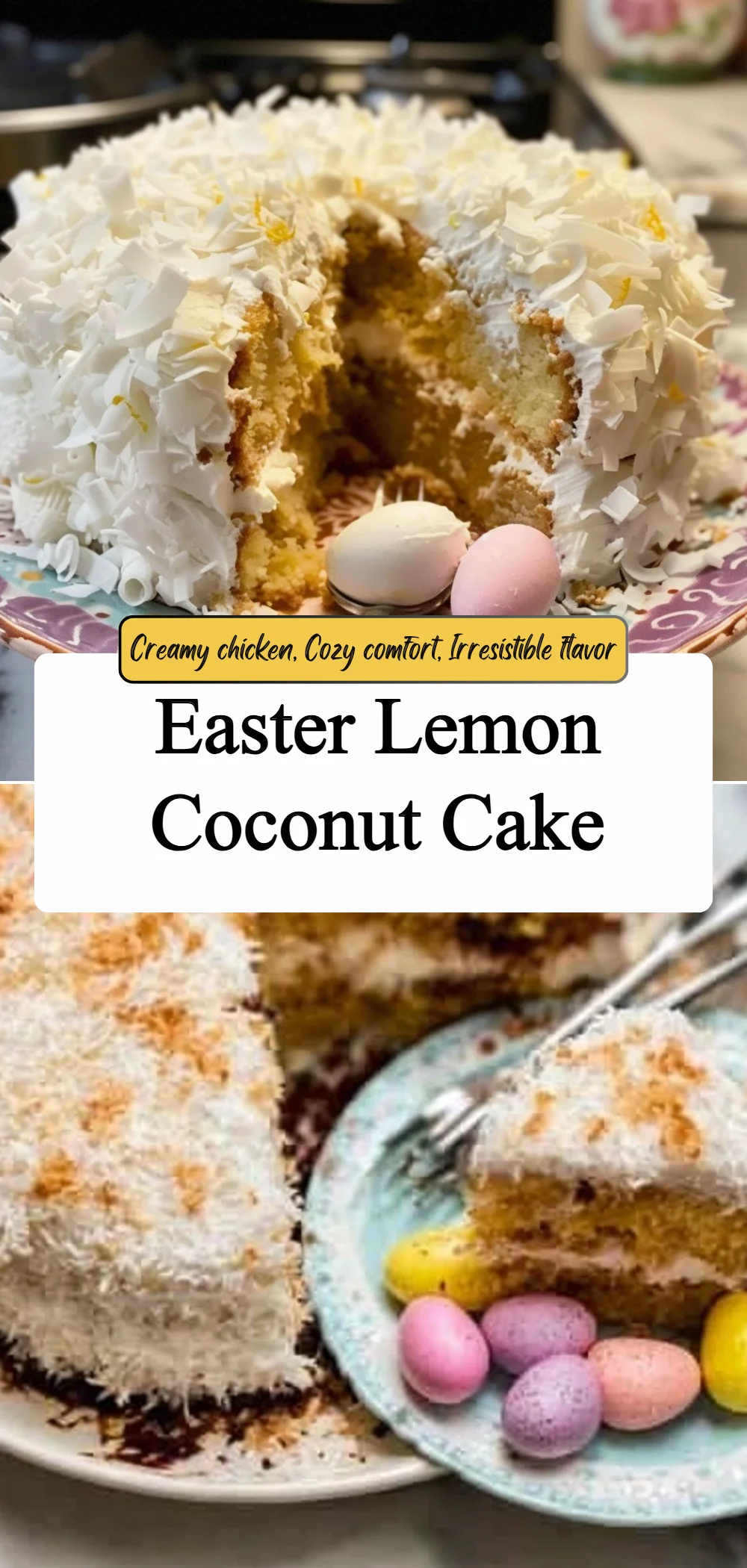
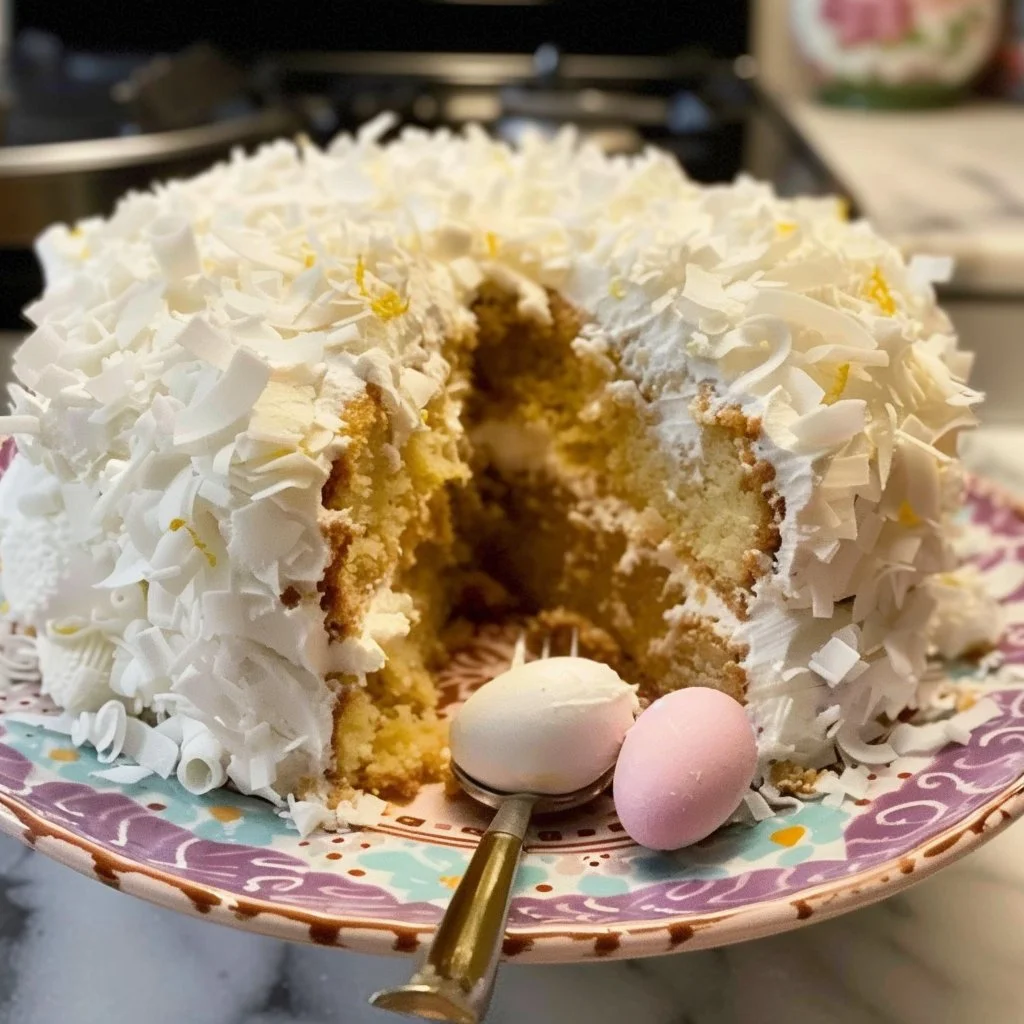
- Festive presentation: Piled shredded coconut and a ring of candy-coated eggs make the Bundt hole a cheerful centerpiece. It transforms a simple cake into a celebratory Easter showpiece.
- Reliable technique: This Easter Cake Recipe follows straightforward steps so bakers of all levels can succeed. With clear mixing and timing cues, it avoids common mistakes like over-mixing or under-baking.
Ingredients You Will Need
- 3 cups (360g) cake flour (spooned & leveled)*
- 3 teaspoons baking powder
- 1/2 teaspoon baking soda
- 1/2 teaspoon salt
- 1 cup (16 Tbsp; 226g) unsalted butter, softened to room temperature
- 1 and 3/4 cups (350g) granulated sugar
- 1 heaping Tablespoon lemon zest
- 1/2 cup (120ml) vegetable oil
- 5 large eggs, at room temperature
- 2 teaspoons pure vanilla extract
- 1 teaspoon coconut extract
- 1/2 cup (120g) full-fat sour cream or plain yogurt, at room temperature
- 2/3 cup (180ml) whole milk, at room temperature
- 1/4 cup (60ml) fresh lemon juice
- 1 cup (100g) sweetened flaked/shredded coconut
- 8 ounces (226g) full-fat brick cream cheese, softened to room temperature
- 1/4 cup (4 Tbsp; 56g) unsalted butter, softened to room temperature
- 2 cups (240g) confectioners’ sugar
- 1–2 Tablespoons (15–30ml) fresh lemon juice
- 1 teaspoon pure vanilla extract
- 1 and 1/2 cups (150g) sweetened flaked/shredded coconut*
- 1–2 cups candy-coated chocolate eggs, such as Cadbury Mini Eggs
Ingredient Notes & Swaps
- Cake flour : Use cake flour for a light, tender crumb. If you only have all-purpose flour, measure and remove 2 tablespoons per cup then add 2 tablespoons cornstarch to mimic cake flour.
- Sour cream or yogurt : Provides acidity and moisture for a supple texture. Use full-fat for the richest flavor; low-fat will work but yield a slightly drier cake.
- Coconut extract : A little goes a long way to elevate the shredded coconut flavor. Substitute with extra vanilla if you prefer the lemon to be the star.
- Candy-coated eggs : These are optional for decoration and add a fun crunch. Substitute with pastel sprinkles, sugared cranberries, or small marzipan eggs for a different look.
Step-by-Step Baking Instructions
- Preheat oven to 350°F (177°C). Generously grease a 10- to 12-cup Bundt pan.
- Whisk the cake flour, baking powder, baking soda, and salt together in a medium bowl. Set aside.
- In a large bowl using a handheld or stand mixer fitted with a paddle attachment, beat the butter on high speed until smooth and creamy, about 1 minute. Add the granulated sugar and lemon zest and beat on high speed for 3 minutes until creamed. (Here’s a helpful tutorial if you need guidance on how to cream butter and sugar.) Scrape down the sides and up the bottom of the bowl as needed. Add the oil and mix on medium speed to combine. With the mixer running on low speed, add the eggs one at a time, then add sour cream and the vanilla and coconut extracts. Beat on medium-high speed until combined. Scrape down the sides and up the bottom of the bowl as needed.
- Whisk the lemon juice and milk together. With the mixer running on low speed, add the dry ingredients in 3 additions, alternating with the lemon-milk mixture and mixing after each addition until just incorporated. Do not over-mix. The batter will be thick and fluffy. Fold in the coconut.
- Spoon/pour evenly into Bundt pan and bake for 55–65 minutes, or until the edges are golden brown. If you find the top is browning too quickly, loosely cover with aluminum foil about halfway through bake time.
- Cool cake for 2 hours in the pan set on a cooling rack, and then invert onto a cake stand or serving plate. Cool completely before decorating.
- In a large bowl using a handheld or stand mixer fitted with a whisk or paddle attachment, beat the cream cheese and butter together on medium speed until smooth, about 2 minutes. Add confectioners’ sugar, 1 Tablespoon lemon juice, and vanilla extract with the mixer running on low. Increase to high speed and beat for 3 minutes. Add 1 more Tablespoon of lemon juice to thin out, if desired. Taste. Add a pinch of salt if desired.
- Using an icing spatula or a knife, frost the cooled Bundt cake. Top with sweetened flaked/shredded coconut. Fill the hole in the center of the cake with candy-coated chocolate eggs. Serve immediately or refrigerate until ready to serve, up to 24 hours. If the cake has been refrigerated for longer than an hour, let it sit out at room temperature for about 30 minutes before serving, to soften up a bit.
- Cover leftover cake tightly and store in the refrigerator for up to 5 days. I usually store frosted cakes in a cake carrier.
Beginner-friendly. Add technique notes: use room-temperature eggs for even incorporation; scrape the bowl frequently; test doneness with a thin skewer inserted near the center for moist crumbs but no raw batter.
Pro Techniques For Success
- Creaming properly: Beat the butter and sugar until pale and fluffy for a tender crumb and proper rise. If the butter is too cold it will not aerate; if it is too warm the batter will look greasy.
- Measuring flour: Spoon and level the flour to avoid a dense cake. Too much flour is the most common reason cakes turn out heavy, so use a kitchen scale if possible.
- Timing the bake: Ovens vary, so check early and tent with foil if the top is browning but the center is not set. A gentle jiggle and a skewer test are better than relying on time alone.
- Cooling matters: Let the cake cool fully in the pan then fully cool on a rack after inverting; frosting a warm cake will melt the cream cheese frosting and make a mess.
Flavor Variations To Try
- Tropical twist: Swap half the lemon juice for pineapple juice and fold in diced macadamia nuts for a beachy spin. Reduced lemon will let the coconut and pineapple sing without becoming cloying.
- Citrus medley: Use orange zest with the lemon for a sweeter citrus profile and top with candied orange peel. This softens the tart edge for people who prefer milder lemon flavor.
- Almond-coconut: Replace coconut extract with almond extract and toast the coconut for a nutty, toasted finish. A handful of sliced almonds on top adds crunch and elegance.
- Mini bundts for gifting: Divide batter across mini Bundt pans and halve the bake time. These make charming hostess gifts when wrapped in cellophane and tied with a ribbon.
What To Serve With It
- Sides: A simple lemon-scented whipped cream or a scoop of vanilla bean ice cream pairs well. Fresh berries like raspberries or strawberries add bright contrast and color.
- Drinks: Light-bodied tea, such as an Earl Grey with bergamot, or freshly brewed coffee balance the sweetness. For a brunch setting, sparkling water with a slice of lemon keeps the plate feeling fresh.
- Dessert ideas: Serve slices with toasted coconut flakes and a drizzle of honey for an extra-special finish. For a lighter dessert course, pair with small fruit tarts or citrus sorbet.
Make-Ahead And Prep Options
- Batter prep: You can make the batter and keep it chilled for up to 24 hours before baking; let it return to room temperature for 30 minutes before baking for even rise. Hold loosely covered in the refrigerator to avoid absorbing fridge odors.
- Frosting ahead: Cream cheese frosting can be made 1–2 days ahead and stored in an airtight container in the refrigerator; whisk until smooth before using. If it thickens too much, add a teaspoon of milk at a time to reach spreadable consistency.
- Freezing the cake: Freeze un-frosted, tightly wrapped slices for up to 2 months. Thaw in the refrigerator overnight and frost the next day for best texture.
Serving Suggestions And Styling
- Presentation: Dust the plate with extra shredded coconut and place a few candy eggs on each slice for a playful touch. Use a serrated knife and a gentle sawing motion to preserve the cake’s shape.
- Cozy vibe: Serve on mismatched plates with linen napkins and a small vase of spring flowers for a homey feel. Warm mugs and soft lighting make the whole moment feel like a celebration.
- Portioning: Cut wedges that are slightly smaller than you think most guests will take; this cake is rich and a smaller slice is perfectly satisfying.
Little Kitchen Secrets
- Toast the coconut: Toasting 1 cup of flaky coconut in a dry skillet over medium heat brings out deep, toasty flavor and adds texture contrast. Watch closely; it browns quickly.
- Room-temperature rule: Always bring butter, eggs, and dairy to room temperature to help emulsify the batter and avoid curdling. It makes the batter smoother and yields a better rise.
- Use a nonstick spray and flour the pan: Even a well-greased Bundt pan benefits from a light dusting of flour or fine sugar to help the cake release cleanly. Let the cake cool in the pan so it shrinks slightly away from the sides for easier inversion.
- Skewer test location: Insert a skewer near an inner ridge rather than the very center for a more accurate doneness check in Bundt cakes.
Storing, Reheating, And Texture
- Refrigeration: Keep the frosted cake refrigerated for freshness; cover tightly to prevent the cream cheese frosting from absorbing other flavors. Remove 30 minutes before serving so slices soften and flavors open.
- Freezing slices: Wrap individual slices in plastic wrap and foil for freezer storage up to 2 months; thaw in the fridge overnight then bring to room temperature before serving. Reheat briefly in a 300°F oven for 5–10 minutes if you prefer warm cake.
- Microwave & stovetop: Microwave a single slice for 12–18 seconds to warm; avoid overheating to prevent drying. For a stovetop trick, place a slice in a small covered skillet over the lowest heat for a minute to gently warm without melting the frosting.
Frequently Asked Questions
Can I make this cake in a tube pan instead of a Bundt pan?
Yes, you can use a tube pan with similar capacity, but baking time may vary slightly. Start checking about 10 minutes earlier and use the skewer test to confirm doneness.
How do I prevent the cream cheese frosting from being too runny?
Ensure the cream cheese and butter are both at room temperature but not overly soft. If the frosting is loose, chill it for 15 to 30 minutes and then re-whip to reach the desired consistency.
Can I omit the coconut or make this nut-free?
Yes, omit the shredded coconut for a pure lemon bundt cake, and replace coconut extract with extra vanilla if desired. This keeps the cake nut-free and enjoyable for guests with coconut preferences.
What if my cake cracks on top?
Light cracking is normal and often due to oven temperature being slightly high or the batter set before the center could rise. Check oven accuracy and avoid over-beating the batter, which can introduce excess air.
How should I transport this cake to a party?
Place the cooled, frosted cake in a secure cake carrier and store it flat during transport. Keep it cool and avoid stacking anything on top to protect the frosting and decorations.
Can I halve the recipe for a smaller cake?
Yes, halving the ingredients works well in a smaller bundt or loaf pan; adjust baking time downward and begin checking for doneness 15–20 minutes earlier.
Nutrition Info
- Serving Size: 1 slice (approximate)
- Calories: 420 kcal
- Protein: 5 g
- Carbs: 48 g
- Fat: 24 g
- Fiber: 1 g
- Sugar: 28 g
Nutrition facts are estimates and may vary based on brands and portion sizes.
A Note From The Kitchen
This Easter Cake Recipe is about more than a finished slice; it is an invitation to slow down and enjoy the simple pleasure of baking for others. It pairs citrus brightness with a tender, nostalgic texture that often becomes part of family gatherings and neighborhood potlucks. Testing this cake in a real kitchen reminded the team how small rituals—zesting a lemon, toasting coconut, arranging candy eggs—make the ritual of sharing food feel warm and celebratory. May it bring ease, flavor, and a little extra cheer to your table.
Ready To Bake
This Easter Cake Recipe is a joyful, approachable way to mark the season—bright, coconut-kissed, and comfortably festive. Gather your ingredients, preheat the oven, and let the aroma of lemon and toasted coconut fill the kitchen. If you try this recipe, pin it, share a photo, and pass the slice along to someone who could use a simple, delicious moment today.
Easter Cake Recipe
Ingredients
Method
- Preheat oven to 350°F (177°C). Generously grease a 10- to 12-cup Bundt pan.
- Whisk the cake flour, baking powder, baking soda, and salt together in a medium bowl. Set aside.
- In a large bowl using a handheld or stand mixer fitted with a paddle attachment, beat the butter on high speed until smooth and creamy, about 1 minute.
- Add the granulated sugar and lemon zest and beat on high speed for 3 minutes until creamed.
- Add the oil and mix on medium speed to combine.
- With the mixer running on low speed, add the eggs one at a time, then add sour cream and the vanilla and coconut extracts. Beat on medium-high speed until combined.
- Whisk the lemon juice and milk together. With the mixer running on low speed, add the dry ingredients in 3 additions, alternating with the lemon-milk mixture, mixing after each addition until just incorporated. Do not over-mix.
- Fold in the coconut.
- Spoon/pour evenly into Bundt pan and bake for 55–65 minutes, or until the edges are golden brown.
- Cool cake for 2 hours in the pan set on a cooling rack, and then invert onto a cake stand or serving plate. Cool completely before decorating.
- In a large bowl using a handheld or stand mixer fitted with a whisk or paddle attachment, beat the cream cheese and butter together on medium speed until smooth, about 2 minutes.
- Add confectioners’ sugar, 1 Tablespoon lemon juice, and vanilla extract with the mixer running on low.
- Increase to high speed and beat for 3 minutes. Add 1 more Tablespoon of lemon juice to thin out, if desired.
- Taste and add a pinch of salt if desired.
- Using an icing spatula or knife, frost the cooled Bundt cake. Top with sweetened flaked/shredded coconut. Fill the hole in the center of the cake with candy-coated chocolate eggs. Serve immediately or refrigerate until ready to serve, up to 24 hours.