
Lemon Bundt Cake
Bright Citrus Ring
INTRODUCTION
We love the small, steady rituals of baking that turn a slow afternoon into something cozy and celebratory, and this Lemon Bundt Cake arrives like sunshine in a pan. The Lemon Bundt Cake smells of fresh zest and warm vanilla as the first slice reveals a tender crumb and a bright citrus tang that lifts the whole room. It is the kind of cake that asks for a simple cup of tea, a sunlit table, and a few quiet minutes to savor the moment, and it pairs beautifully with savory weeknight mains like the amazing lemon herb chicken and rice when you want a balanced meal. This Lemon Bundt Cake is approachable enough for a beginner and elegant enough for a gathering, and it rewards patience with a glaze that sets like a little jewel on top.
Snapshot of the Bake
- Prep Time: 15 minutes
- Cook Time: 40-50 minutes
- Total Time: 1 hour (including cooling)
- Servings: 10-12 slices
- Difficulty: Easy
- Cuisine: American-inspired
- Best Season: Spring and summer citrus months
Why This Cake Charms
- Bright, clean flavor: The lemon zest and fresh lemon juice cut through the sweetness so each bite feels light and refreshing, making it a wonderful palate cleanser after heavier meals. It is citrus-forward without being tart, offering a balance that most guests will adore.
- Simple, comforting texture: The bundt shape and the buttery batter bake into a tender crumb with a subtly crisp exterior, giving you cake that feels both homey and a touch special. It slices neatly for casual coffee hour or dressier dessert plates.
- Effortless elegance: Glazing the cake transforms a plain loaf into a centerpiece in minutes, and the glossy lemon drizzle makes it look like you spent far more time than you did. This makes it ideal for last-minute celebrations or impromptu visitors.
- Crowd-friendly and adaptable: The recipe is forgiving for home bakers and can be doubled or modified for different dietary needs with a few swaps. It fits casual brunches, tea parties, and laid-back dinners with equal ease.
Pantry and Ingredients
- 2 cups all-purpose flour
- 1 1/2 cups granulated sugar
- 1/2 cup unsalted butter, softened
- 1 cup buttermilk
- 3 large eggs
- 1 tablespoon lemon zest
- 1/4 cup fresh lemon juice
- 1 teaspoon baking powder
- 1/2 teaspoon baking soda
- 1/4 teaspoon salt
- 1 cup powdered sugar
- 2 tablespoons lemon juice (for glaze)
Ingredient Notes and Swaps
- All-purpose flour : For a lighter crumb, whisk the flour before measuring and spoon it into the cup; for a denser loaf, use a kitchen scale for precision.
- Granulated sugar : Caster sugar gives a finer texture if you have it, and reducing a tablespoon will slightly lift the lemon brightness without losing structure.
- Unsalted butter : Room temperature butter creams more easily; if using salted butter, reduce added salt by half to balance.
- Buttermilk : If you do not have buttermilk, make a substitute with 1 cup milk plus 1 tablespoon lemon juice, let sit for 5 minutes, then use.
- Eggs : Use large eggs at room temperature to ensure they incorporate smoothly and help the batter emulsify.
- Fresh lemon juice and zest : Fresh is essential for aromatic citrus oil; bottled juice lacks the brightness that defines this recipe.
- Baking powder/soda : Check dates for potency; old leaveners can give a flat cake rather than the tender rise you want.
- Powdered sugar for glaze : Sift the powdered sugar to eliminate lumps and achieve a glossy, pourable glaze.
Step-by-Step Method
- Preheat your oven to 350°F (175°C) and grease a bundt pan.
- In a large bowl, cream together the softened butter and granulated sugar until light and fluffy.
- Beat in the eggs one at a time, then stir in the lemon zest and lemon juice.
- In another bowl, whisk together the flour, baking powder, baking soda, and salt.
- Gradually mix the dry ingredients into the wet ingredients, alternating with the buttermilk, beginning and ending with flour mixture.
- Pour the batter into the prepared bundt pan and smooth the top.
- Bake for 40-50 minutes, or until a toothpick inserted into the center comes out clean.
- Let the cake cool in the pan for about 10 minutes, then invert onto a wire rack to cool completely.
- For the glaze, mix the powdered sugar and lemon juice until smooth and drizzle it over the cooled cake.
Technique notes: When creaming butter and sugar, scrape the bowl often to ensure even aeration; overmixing once the flour is added can develop gluten and lead to a tougher crumb. Use an oven thermometer for accuracy and test the cake at the earliest time to avoid a dry bake. Cool briefly in the pan so the cake holds its shape, then invert gently to cool fully before glazing so the glaze sets atop a room-temperature surface.
Pro Baking Pointers
- Control moisture for lift: Room-temperature eggs and buttermilk help the batter emulsify properly so the crumb is tender and uniform.
- Timing matters: Remove the cake from the pan when it is warm but not hot to prevent steam from softening the crust and causing stickiness.
- Zest technique: Use a fine grater or microplane to get aromatic zest without the bitter pith; zest before juicing the lemon to capture the oils.
- Glaze consistency: Start with less lemon juice in the glaze and add a few drops at a time until it reaches a thick but pourable texture that will set with a slight sheen.
Flavor Twists
- Lighter vegan version: Replace butter with non-dairy butter, use a plant-based milk mixed with lemon juice for the buttermilk substitute, and swap eggs for flax eggs (one tablespoon ground flaxseed plus three tablespoons water per egg). Expect a slightly denser texture but retain the bright lemon flavor.
- Mild orange variation: Substitute half the lemon juice with fresh orange juice and add 1 teaspoon orange zest for a gentler citrus profile that pairs beautifully with almond extract.
- Spiced citrus twist: Add 1/2 teaspoon ground cardamom and a pinch of nutmeg to the dry ingredients for a warm, aromatic layer that complements the lemon without overpowering it.
- Regional honey glaze: Replace powdered sugar glaze with a warm honey-laced glaze using 1/4 cup honey and 1 tablespoon lemon juice, thinned with a touch of warm water to drizzle; this gives a rustic, floral finish that nods to Mediterranean flavors.
Perfect Pairings
- Sides: A simple mixed greens salad with a light vinaigrette or a bowl of fresh berries brings a bright counterpoint to the cake’s sweetness. Toasted almonds or a scoop of vanilla Greek yogurt also make an easy accompaniment.
- Drinks: Earl Grey tea or a citrus-forward herbal infusion highlights the lemon notes, while chilled sparkling water with lemon slices keeps the palate refreshed. For brunch, a delicate prosecco-style non-alcoholic sparkling beverage adds celebration without heaviness.
- Dessert board addition: Pair slices with shortbread cookies and candied citrus peels for a sharing platter that looks special and invites different textures and flavors.
Make-Ahead and Freezing
- Prep ahead: Bake the cake and store it wrapped at room temperature for up to 24 hours before glazing for a fresher look. Un-glazed, the cake can be made a day ahead and glazed just before serving.
- Store: After glazing, let the glaze set, then keep the cake in an airtight container at room temperature for 2-3 days. Refrigerate in warm climates but bring to room temperature before serving to revive texture.
- Freeze: Wrap slices individually in plastic wrap and place in a freezer bag for up to 3 months, or freeze the whole cooled cake unglazed on a tray then wrap tightly. Thaw overnight in the refrigerator or at room temperature and add the glaze fresh.
Serving Suggestions
- Plating: Place a single slice on a shallow dessert plate and drizzle any extra glaze around it, scattering a few lemon zest curls or edible flowers for a graceful touch. Use contrasting colors like deep blue or green plates to make the lemon pop visually.
- Portioning: For gatherings, pre-slice the cake to save time and arrange slices fanned on a serving board to invite guests to help themselves. Include small labels for dietary notes if you made a variation.
- Cozy vibes: Serve on a wooden table or oat-colored linen with simple ceramic mugs for tea to create an inviting, lived-in feeling that emphasizes warmth over formality.
Little Kitchen Secrets
- Room temperature ingredients: When ingredients share a similar temperature, they blend more smoothly, creating a homogeneous batter that bakes evenly and rises predictably.
- Nonstick help: Rub a little softened butter into all the crevices of the bundt pan and dust lightly with flour, tapping out excess to ensure the cake unmolds cleanly.
- Toothpick test tip: Insert the toothpick near the center but not exactly at the very bottom of a bundt cake, because some batters can take a touch longer in the thickest spot.
- Rest before slicing: Let the glazed cake rest for at least 30 minutes so the glaze sets; slicing too soon will create a messy finish and diminish the visual appeal.
Keeping It Fresh
- Microwave and stovetop tips: Warm single slices gently in the microwave for 8-10 seconds if you prefer a soft, slightly warm texture, or reheat on a nonstick skillet over low heat briefly for a toasty edge. Avoid overheating, which will dry the crumb.
- Texture preservation: A light brush of simple syrup (1:1 sugar to water) on cut surfaces helps preserve moisture when storing for longer periods, especially if you plan to refrigerate or freeze slices.
Common Curiosities
How can I tell when the bundt cake is fully baked without overcooking?
Use the toothpick test in the center and a few inches from the center into the thickest part, watching for a few moist crumbs rather than raw batter. The cake should spring back lightly when touched and start to pull away from the pan edges slightly. An oven thermometer and testing at the earlier end of the time range can prevent dryness.
Can I substitute plain yogurt for buttermilk?
Yes, plain yogurt thinned with a little water works as a buttermilk stand-in and preserves the cake’s tenderness due to its acidity. Use about 3/4 cup yogurt plus 1/4 cup water to equal 1 cup buttermilk, and whisk smooth before adding.
Why did my cake stick to the bundt pan and how do I prevent it?
Insufficient greasing and not getting into the pan’s crevices are common causes; use softened butter and flour, or a baking spray formulated for bundt pans. Allow the cake to cool briefly in the pan before inverting, and avoid forcing it out if it seems stuck—tap gently and run a thin knife around if needed.
Can I make this cake gluten free?
Yes, replace the all-purpose flour with a 1:1 gluten-free flour blend that contains xanthan gum, and be aware the texture may be a touch more crumbly but still delicious. Measure by weight if possible for consistency and avoid overmixing.
How do I balance the sweetness with the lemon so it is not too sugary?
Use fresh lemon juice and zest for brightness and consider reducing granulated sugar by one to two tablespoons if you prefer a less sweet profile. Adjust the glaze to taste by starting with less lemon juice in the powdered sugar and adding until you reach the desired tang.
What is the best way to transport a bundt cake to a gathering?
Cool the cake completely, place it on a sturdy cake board or flat plate, and secure it in a cake carrier; a layer of non-slip shelf liner under the plate can prevent sliding. If the glaze is still tacky, allow it to fully set before transport or chill briefly to firm the surface.
Nutrition Snapshot
- Serving Size: 1 slice (approximate, 1/12 of cake)
- Calories: 320
- Protein: 4 g
- Carbs: 46 g
- Fat: 13 g
- Fiber: 1 g
- Sugar: 28 g
Nutrition facts are estimates and may vary depending on exact ingredients and portion sizes.
Warm Closing Reflection
This Lemon Bundt Cake is a small celebration wrapped in a familiar shape, one that invites conversation, quiet moments, and the simple pleasure of a shared slice. It honors the idea that baking does not need to be complicated to feel special; a few fresh ingredients, a reliable pan, and a glaze that shines give you a dessert that threads through family tables and weekend rituals alike. When citrus is in season, this cake becomes a little ode to lightness and hospitality, and it keeps the focus on togetherness and the warmth of home.
Final Encouragement
Take a deep breath, zest those lemons, and let the oven do the work—this Lemon Bundt Cake is waiting to become part of your table and your memories. If you try it, share the moment, pin the recipe, and enjoy the bright, buttery comfort that comes with every slice.
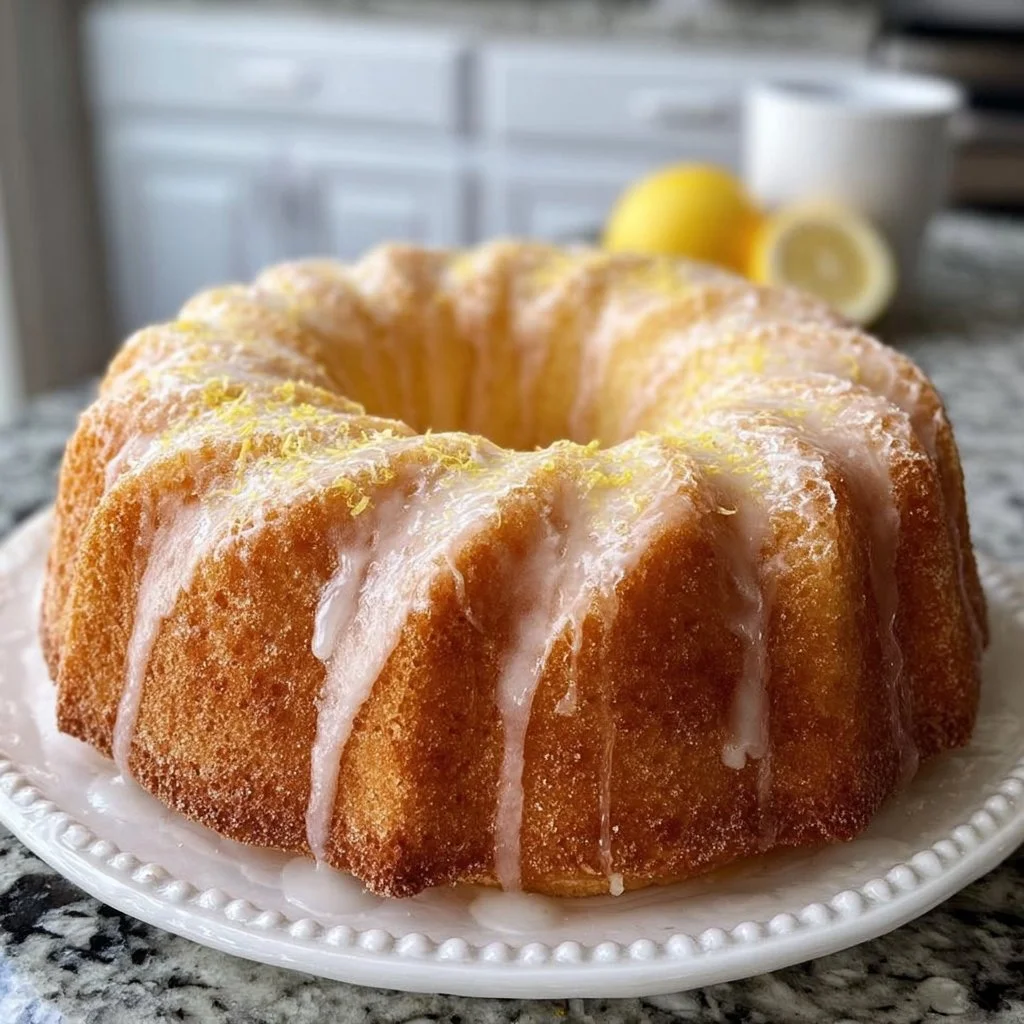
Lemon Bundt Cake
Ingredients
Method
- Preheat your oven to 350°F (175°C) and grease a bundt pan.
- In a large bowl, cream together the softened butter and granulated sugar until light and fluffy.
- Beat in the eggs one at a time, then stir in the lemon zest and lemon juice.
- In another bowl, whisk together the flour, baking powder, baking soda, and salt.
- Gradually mix the dry ingredients into the wet ingredients, alternating with the buttermilk, beginning and ending with the flour mixture.
- Pour the batter into the prepared bundt pan and smooth the top.
- Bake for 40-50 minutes, or until a toothpick inserted into the center comes out clean.
- Let the cake cool in the pan for about 10 minutes, then invert onto a wire rack to cool completely.
- For the glaze, mix the powdered sugar and lemon juice until smooth and drizzle it over the cooled cake.